The Best Fluffy Pancakes recipe you will fall in love with. Full of tips and tricks to help you make the best pancakes.


Table of Contents
Sourdough discard is the portion of starter removed during regular feedings to keep the starter balanced and active. Instead of throwing it away, sourdough discard can be used in a wide range of quick and flavorful recipes that don’t require long fermentation or extra yeast.
I’ve used sourdough discard for years as a way to reduce waste and add flavor to everyday cooking. Once you understand how discard behaves, it becomes one of the most useful ingredients in your kitchen rather than something you feel guilty tossing out.
What These Recipes Are
Sourdough discard recipes are quick, unfussy recipes that use unfed or excess sourdough starter for flavor rather than leavening.
At a basic level, discard adds mild tang, moisture, and structure to batters and doughs. Because it’s not relied on for rise, these recipes work even when the starter is inactive. Beginners often think discard must be strong or bubbly, but for most discard recipes, flavor matters more than activity.
Why Cook with Sourdough Discard
Using sourdough discard turns routine starter maintenance into something practical and rewarding.
Discard improves flavor without long fermentation, making baked goods taste more complex with minimal effort. It helps reduce food waste and stretches your ingredients further. These recipes are fast, flexible, and forgiving, which makes them ideal for everyday cooking. I regularly rely on discard recipes when I don’t have time to bake a full loaf but still want to use my starter.
Understanding Your Discard Before Cooking
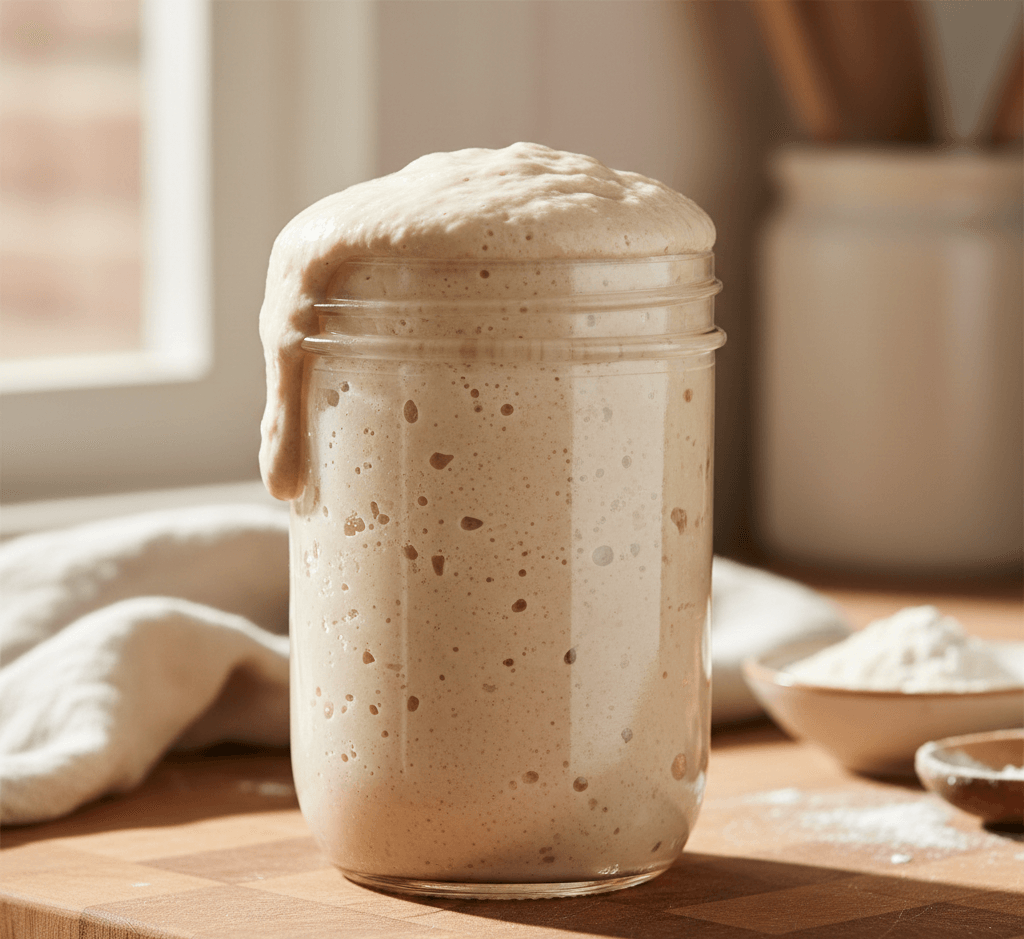
The best discard for cooking is unfed starter that has been stored properly and smells clean and mildly tangy.
Fresh discard from a recent feeding produces mild flavor, while older discard has a stronger tang. Thick discard works well in dough-based recipes like crackers or flatbreads, while thinner discard blends easily into batters for pancakes or muffins. If discard smells rotten or shows mold, it should not be used.
Core Ingredients and Why They Matter
Primary Ingredients
- Sourdough discard – adds tang, moisture, and structure
- Flour – balances hydration and provides body
- Fat (butter or oil) – improves texture and tenderness
- Eggs or leavening (when needed) – provide lift and binding
Optional Add-Ins
- Sugar or honey for sweetness
- Herbs, cheese, or spices for savory recipes
- Milk or yogurt to soften texture
How to Use Sourdough Discard in Everyday Cooking
Sourdough discard works best when you treat it as a flavor-building and moisture-adding ingredient rather than a leavening agent. Unlike active starter, discard is not relied on to create rise, which makes it far more forgiving and flexible in everyday recipes.
In most recipes, discard replaces a portion of both flour and liquid. This means the exact thickness of your discard matters more than its age or activity. A thicker discard contributes structure and chew, making it ideal for crackers, flatbreads, and dough-based recipes. A thinner discard blends more easily into batters, which is why it works especially well in pancakes, waffles, muffins, and quick breads.
Discard also brings mild acidity, which enhances flavor and improves texture. In baked goods, this acidity can tenderize gluten and balance sweetness.
Popular Sourdough Discard Recipes and How Each One Works
Sourdough Discard Pancakes and Waffles
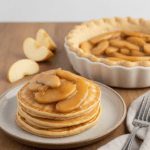
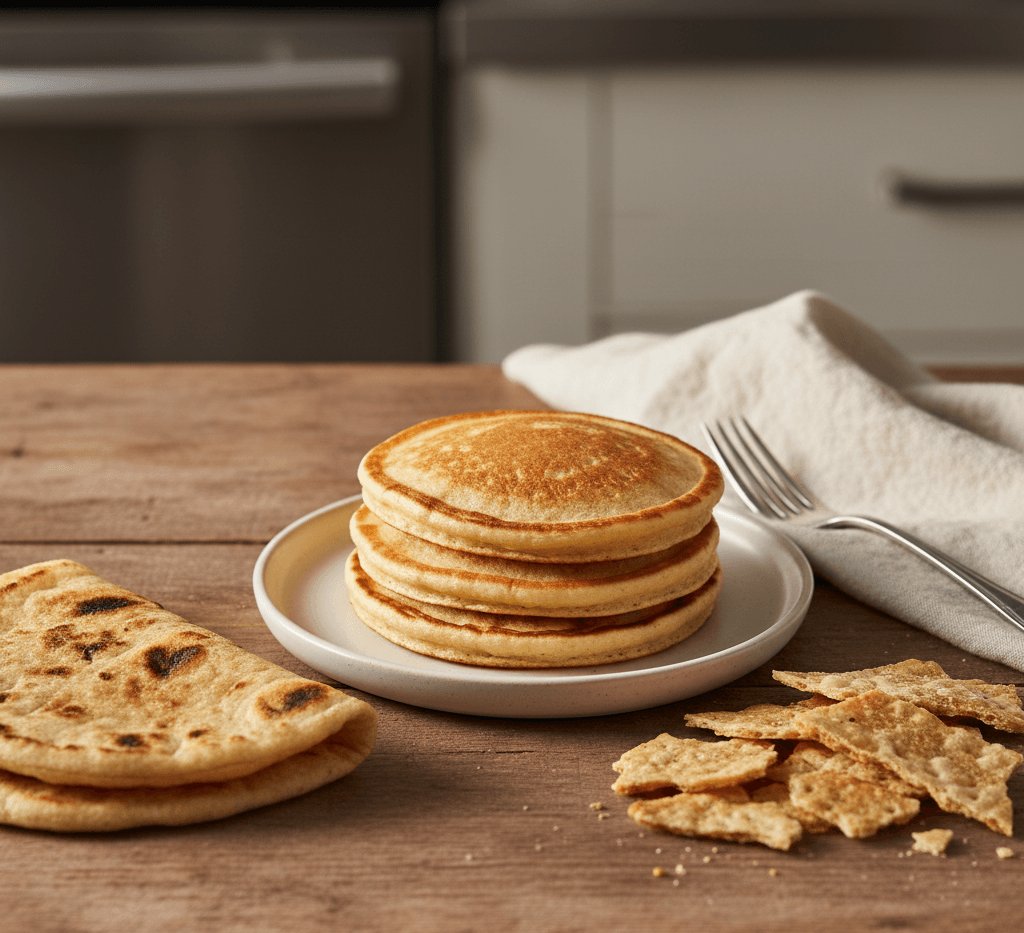
Discard pancakes and waffles are one of the easiest and most rewarding ways to use sourdough discard. The discard adds moisture and a subtle tang, while baking powder or baking soda provides reliable lift.
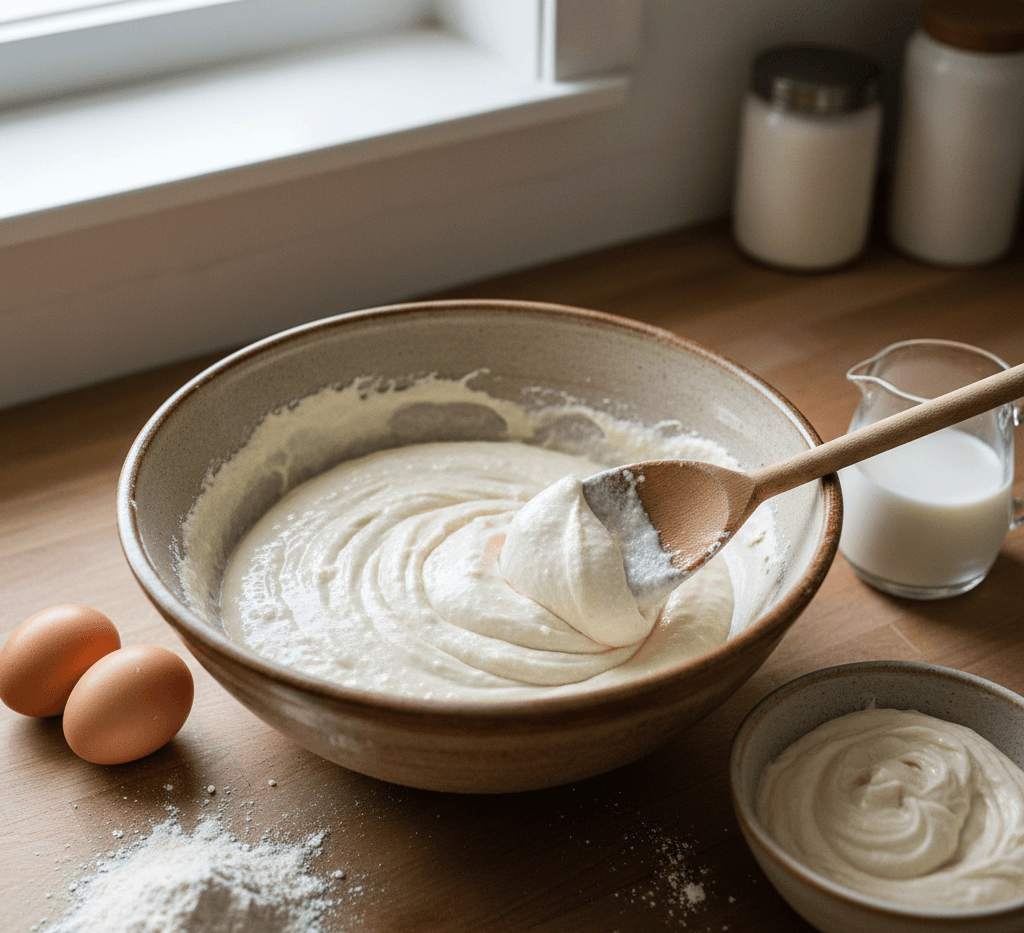
The batter should be thick but pourable, similar to classic pancake batter. Resting the batter for 10–15 minutes allows the flour to hydrate and improves texture. These recipes are especially forgiving, making them ideal for beginners learning how discard behaves. Older discard creates more tang, while fresher discard keeps flavors mild.
Sourdough Discard Crackers
Crackers rely heavily on discard for structure and flavor. Because there’s very little additional liquid, the discard’s thickness plays a major role in the final texture.
The dough should be spread very thinly to achieve crispness. Baking at a moderate temperature and rotating the pan ensures even drying. Crackers are a great option when discard is piling up, as they use larger quantities and store well. Flavor additions like seeds, herbs, or cheese can be added without changing the base method.
Sourdough Discard Flatbreads
Flatbreads made with discard are soft, flexible, and quick to prepare. The discard adds chew and flavor without requiring fermentation.
The dough should feel soft and slightly tacky, not stiff. A short rest relaxes the dough and makes rolling easier. Cooking on a hot skillet creates light blistering and keeps the interior tender. Flatbreads are especially useful for wraps, dipping, or quick meals.
Sourdough Discard Muffins and Quick Breads
In muffins and quick breads, discard contributes moisture and a subtle tang that balances sweetness. These recipes depend on chemical leaveners rather than fermentation, making them reliable even with older discard.
Because discard adds liquid, it’s important not to overmix. A brief rest before baking improves crumb structure. These recipes are excellent for using discard that has developed a stronger flavor.
Notes and Practical Tips
The most common mistake with discard recipes is assuming discard behaves exactly the same every time.
Discard hydration varies depending on how you maintain your starter, so visual and tactile cues matter more than measurements. If a batter looks too thick, add liquid gradually. If a dough feels stiff, give it time to rest before adding more liquid. Resting often solves texture issues on its own.
Smell is another key indicator. Discard that smells sharply sour will produce stronger-flavored results but is still usable in savory or well-sweetened recipes. For first-time cooks, starting with pancakes, waffles, or crackers builds confidence quickly because these recipes tolerate variation very well.
Consistency matters more than precision. Using the same discard routine and observing results from batch to batch will help you understand how your starter behaves in cooking.
How to Know When Sourdough Discard Is Safe and Suitable to Use
Sourdough discard is suitable for cooking when it smells clean, tangy, or mildly sour and shows no visible mold.
It’s normal for discard to separate or develop liquid on top during storage. Stirring reincorporates it easily. Texture may range from thick to pourable depending on hydration. What matters most is aroma. Any smell that resembles rot, mold, or chemicals is a clear sign to discard it completely.
Activity is not required for discard recipes. Even flat, inactive discard can be used successfully as long as it smells healthy.
Common Problems and Detailed Fixes
My discard recipe tastes overwhelmingly sour
This usually means the discard is very old or highly acidic. To balance this, pair it with sweeteners, dairy, or fats, or use it in savory recipes where tang is desirable. Mixing old discard with a small amount of fresh flour can also mellow the flavor.
The batter or dough texture feels unpredictable
Discard hydration varies naturally. Adjust gradually rather than all at once. Let the mixture rest before correcting—it often thickens or relaxes on its own.
Crackers are chewy instead of crisp
Chewiness usually comes from dough that’s too thick or underbaked. Roll thinner and extend baking time slightly, allowing moisture to fully evaporate.
Flatbreads turn stiff after cooking
This often happens when too much flour is added or the bread is overcooked. Rest the dough longer and cook just until light browning appears.
Storage and Long-Term Handling of Sourdough Discard
The best rule is to refrigerate discard if you’re not using it within 24 hours.
Short-term discard keeps well in the refrigerator for up to a week. For longer storage, discard can last up to two weeks, though flavor will intensify. Always store it in a clean container and stir before use. If mold appears at any point, discard the entire batch.
I keep a dedicated discard jar and use it regularly to prevent buildup. This routine makes discard cooking feel intentional rather than wasteful.
Storing and Reheating Finished Discard Recipes
Most discard-based baked goods store well if handled properly.
Pancakes and waffles freeze exceptionally well and reheat quickly in a toaster or pan. Crackers should be stored fully cooled in airtight containers to maintain crispness. Flatbreads are best wrapped and used within a day, or frozen with parchment between layers. Avoid refrigeration for finished baked goods unless freezing, as it dries them out and dulls texture.
What to Make Next with Sourdough Discard
Once you’re comfortable using discard, it becomes a versatile ingredient rather than a leftover.
You can move into discard pizza dough, biscuits, savory scones, or even fried snacks. Discard also pairs naturally with maintaining a sourdough starter, making it a practical bridge between everyday cooking and full sourdough baking. Over time, you’ll develop intuition about where discard fits best in your kitchen routine.