The Best Fluffy Pancakes recipe you will fall in love with. Full of tips and tricks to help you make the best pancakes.


Table of Contents
Crawfish recipes often get labeled as expensive, seasonal, or only worth making for large gatherings, but that idea leaves a lot of everyday cooks out. I’ve learned over time that crawfish can actually be stretched into a deeply satisfying, budget-friendly meal when you approach it with the right mindset. Instead of focusing on giant boils or specialty equipment, this recipe leans into smart seasoning, flexible ingredients, and techniques that maximize flavor without increasing cost.
This crawfish recipe is designed for home cooks who want bold Southern-style flavor without wasting money or ingredients. It’s comforting, adaptable, and forgiving, which makes it perfect for families, small households, or anyone cooking on a tighter grocery budget. I’ve written this with practicality in mind, not perfection—because budget cooking is about making what you have taste like more than it should.
You don’t need a massive pot, imported spices, or premium crawfish to make this work. What matters is understanding how crawfish behave when cooked, how seasoning builds over time, and how to pair them with affordable pantry staples that stretch the dish into something filling and memorable.
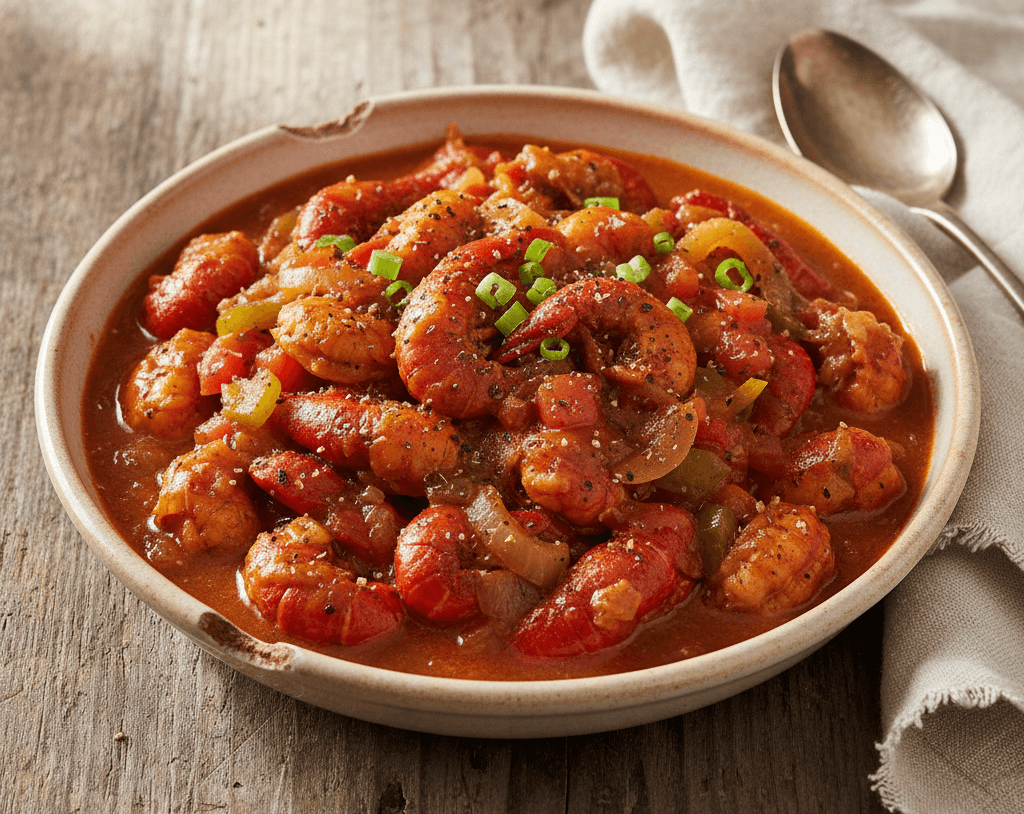
Why This Crawfish Recipe Works on a Budget
The biggest reason crawfish recipes feel expensive is portion perception. Crawfish are often served alone, which means you need a lot of them to feel full. This recipe solves that by treating crawfish as the flavor core rather than the entire meal. By combining them with inexpensive vegetables, aromatics, and starch-friendly sauces, you get a dish that feels generous without relying on large quantities of seafood.
Another budget advantage is flexibility. This recipe works with fresh crawfish tails, frozen crawfish, or even leftover boiled crawfish. That means you can shop sales, buy in smaller quantities, or repurpose what you already have instead of starting from scratch. The seasoning profile is also built from common spices, not specialty blends, so there’s no need to buy something you’ll only use once.
Most importantly, this recipe minimizes waste. Every ingredient has a purpose, and leftovers reheat well or transform easily into other meals. When you’re cooking on a budget, that matters just as much as the upfront cost. You’re not just saving money today—you’re stretching value across multiple meals.
Ingredients That Stretch Flavor and Value
Budget crawfish cooking starts with understanding which ingredients pull the most weight. Crawfish themselves are rich and naturally sweet, so they don’t need to be drowned in expensive additions. Instead, this recipe uses affordable vegetables and pantry staples to amplify that flavor while adding bulk and texture.
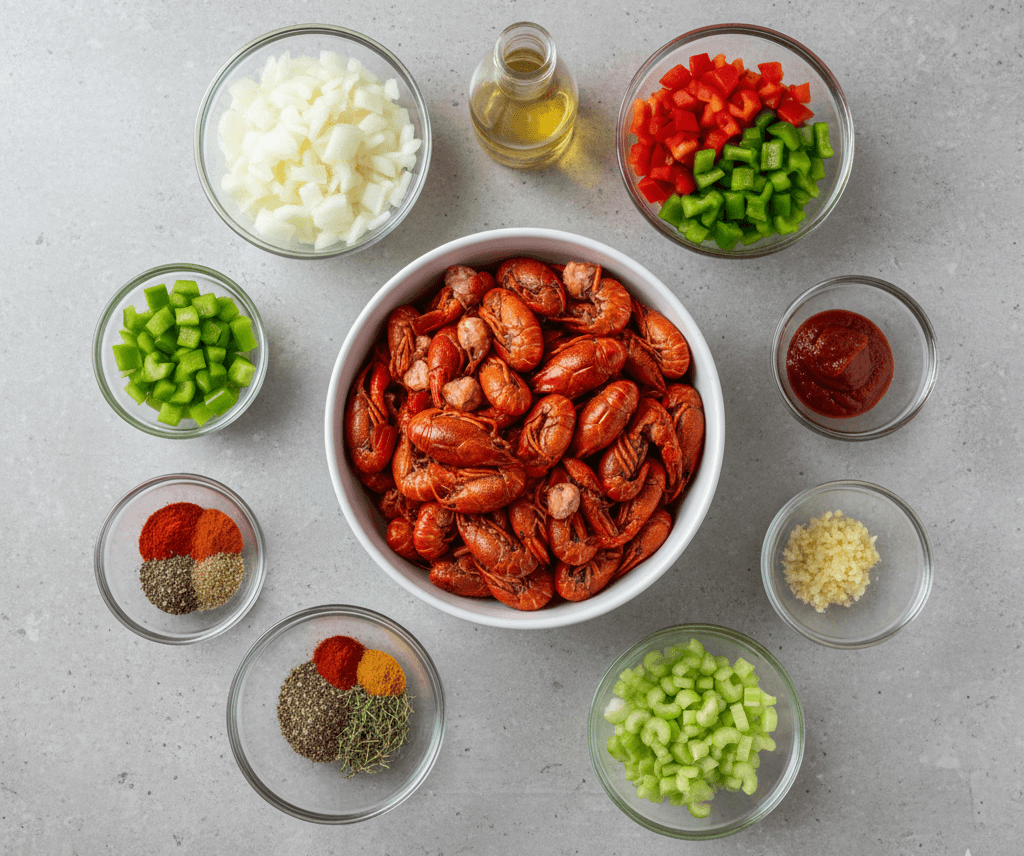
Onions, bell peppers, and celery form a strong base that absorbs seasoning and releases sweetness as it cooks. Garlic adds depth without cost, while tomatoes or tomato paste provide acidity that balances the richness of the crawfish. A small amount of fat—usually oil or butter—carries flavor without overpowering the dish.
Spices are chosen for impact rather than quantity. Paprika, cayenne, black pepper, and thyme build warmth and aroma without requiring a full Cajun spice cabinet. Salt is used carefully, especially if your crawfish are pre-seasoned, which prevents overspending on extra ingredients to fix over-salted food.
This approach makes the recipe forgiving. If you’re missing one vegetable or spice, substitutions are easy, and the dish still holds together. That flexibility is essential for budget cooking, where perfection takes a back seat to practicality.
Budget-Friendly Crawfish Recipe That Feeds More With Less
Course: MainCuisine: SouthernDifficulty: EasyServings
4
servingsPrep time
15
minutesCooking time
30
minutesTotal time
45
minutesThis budget-friendly crawfish recipe combines tender crawfish with vegetables and bold seasoning for a filling, flavorful meal. It’s designed to stretch ingredients without sacrificing taste or comfort.
Ingredients
Crawfish tails – 1 pound
Onion – 1 large, chopped
Bell pepper – 1 medium, chopped
Celery – 2 stalks, chopped
Garlic – 4 cloves, minced
Oil or butter – 3 tablespoons
Tomato paste – 2 tablespoons
Water or broth – 1 cup
- Optional / Helpful Add-Ins
Potatoes, diced – 1 cup
Corn kernels – 1 cup
Paprika – 1 teaspoon
Cayenne pepper – ¼ teaspoon
Dried thyme – ½ teaspoon
Directions
- Build the Flavor Base
Start by heating your oil or butter in a wide pan over medium heat. Add the onion, bell pepper, and celery, stirring slowly to coat them in fat. This step matters because these vegetables release moisture and sweetness as they cook, forming the backbone of the dish. Rushing here leads to flat flavor, so give them time to soften and lightly brown. Once fragrant, stir in the garlic and cook just until it releases aroma. - Develop the Sauce
Add the tomato paste directly to the pan and stir it into the vegetables. Let it cook briefly so it darkens slightly, which removes raw acidity and deepens flavor. Sprinkle in your spices and stir so they bloom in the heat. Pour in the water or broth slowly, scraping the bottom of the pan to lift all the flavorful bits. This creates a cohesive sauce that carries seasoning evenly. - Add Crawfish Gently
Lower the heat and fold in the crawfish tails. Crawfish are already cooked in most cases, so the goal here is warming and coating, not simmering aggressively. Stir gently and let the mixture cook just until everything is heated through and the sauce thickens slightly. Overcooking will make the crawfish rubbery, which is a common mistake.
Notes
- Most crawfish recipe problems come from heat control and seasoning balance, especially when working with budget-friendly or pre-cooked crawfish. Frozen crawfish should be fully thawed and drained to prevent excess water from thinning the sauce.
- If your crawfish are pre-seasoned, reduce added salt until you taste the final dish. Cook vegetables slowly to develop sweetness instead of relying on extra spices.
- Keep heat moderate once crawfish are added to preserve texture. Watch the sauce thickness rather than the clock, adjusting liquid as needed.
- Smell is a better indicator than color—when it smells rich and savory, it’s ready
How to Use This Crawfish Recipe Next
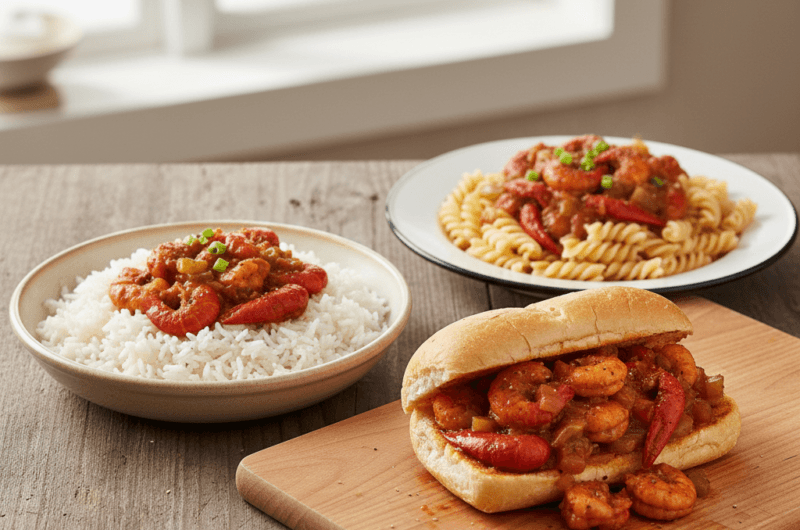
This crawfish recipe is best treated as a flexible base rather than a one-time meal. You can serve it over rice, spoon it onto pasta, or pair it with bread for a filling, low-cost dinner. Leftovers work well stuffed into sandwiches, folded into omelets, or mixed with cooked grains for quick lunches.
If you enjoyed this style of budget seafood cooking, similar recipes like shrimp étouffée, fish stew, or vegetable-forward gumbo follow the same principles and use many of the same ingredients. Once you understand how to stretch seafood with smart seasoning and structure, your weekly cooking becomes more affordable and less stressful.