The Best Fluffy Pancakes recipe you will fall in love with. Full of tips and tricks to help you make the best pancakes.

Substitutions & Swaps
Honey vs Sugar in Baking — Conversion Guide
Swapping honey for sugar isn’t a straight 1:1 trade. You need to use less honey, cut some liquid, drop the oven temperature, and add a pinch of baking soda — and this guide tells you exactly how much of each, every time.
⚡ Quick answer
To substitute honey for sugar in baking, use ¾ cup of honey for every 1 cup of sugar.
Because honey is sweeter and wetter than sugar, you also need to reduce other liquids by 3 tablespoons per cup of honey used, lower your oven temperature by 25°F (14°C), and add ¼ teaspoon of baking soda per cup of honey to neutralise its natural acidity. Skip any of these adjustments and your baked goods will likely be dense, too dark, or overly sweet.
The appeal is obvious: honey is natural, carries real flavour, and has a longer shelf life than almost any other sweetener in your kitchen. But replacing sugar with honey in a baking recipe is one of those swaps that seems simple until your banana bread comes out of the oven looking like it caught fire, or your muffins collapse into a sticky, dense brick. The chemistry is more involved than the swap sounds.
Sugar and honey do the same broad job — they add sweetness and help with browning — but they do it through completely different mechanisms. Sugar is dry, crystalline, and neutral. Honey is roughly 17–20% water, contains fructose and glucose instead of pure sucrose, and is slightly acidic (pH 3.9–4.5). Every one of those differences affects how your batter behaves before it hits the oven and how the crumb sets while baking.
The good news: once you know the four adjustments, the swap becomes second nature. This guide gives you the exact numbers for every quantity, explains the chemistry behind each tweak so you actually understand what you’re doing, and flags the handful of recipes where honey simply doesn’t belong.
¾ cup
Honey per 1 cup of sugar
−25°F
Reduce oven temp when baking with honey
1.4×
How much sweeter honey is vs sugar
17–20%
Water content inside every jar of honey
Honey to Sugar Conversion Chart
Use this table as your go-to reference. The honey column gives the amount to use in place of the sugar amount shown. The liquid reduction and baking soda columns tell you the accompanying adjustments to make to the rest of the recipe.
| Sugar (original recipe) | Honey to use | Reduce other liquids by | Add baking soda | Lower oven temp by |
|---|---|---|---|---|
| 1 cup (200g) | ¾ cup (255g) | 3 tbsp | ¼ tsp | 25°F / 14°C |
| ¾ cup (150g) | 9 tbsp (191g) | 2¼ tbsp | scant ¼ tsp | 25°F / 14°C |
| ½ cup (100g) | 6 tbsp (128g) | 1½ tbsp | ⅛ tsp | 25°F / 14°C |
| ¼ cup (50g) | 3 tbsp (64g) | ¾ tbsp | pinch | 25°F / 14°C |
| 2 tbsp (25g) | 1½ tbsp (32g) | 1 tsp | small pinch | 25°F / 14°C |
| 1 tbsp (12.5g) | 2¼ tsp (16g) | ½ tsp | skip | 25°F / 14°C |
| Honey weights based on standard liquid honey density of ~1.42g/ml. Baking soda adjustment assumes recipe has no other acid (buttermilk, yoghurt, lemon juice). If it does, halve the baking soda addition or skip it entirely. | ||||
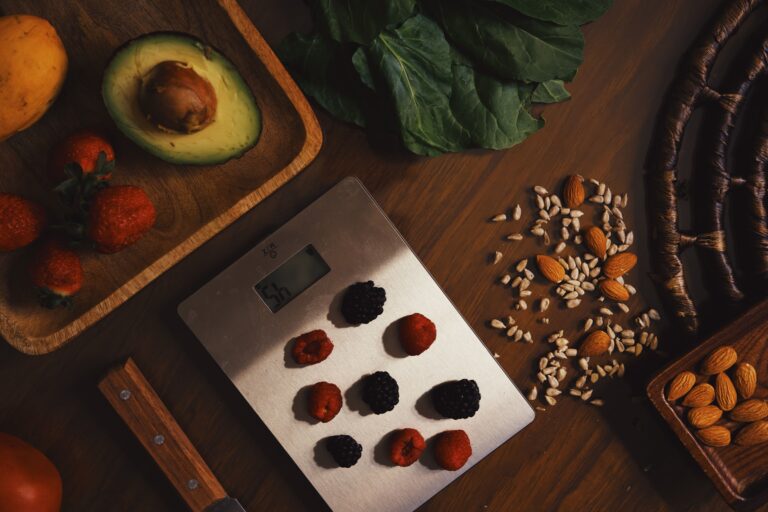
Weigh the honey: Honey is sticky and thick — measuring by volume loses accuracy fast. Use a kitchen scale and tare your bowl. The gram values in the table above are exact, so weighing takes the guesswork out completely.
SavoryTribe Baking Tool
Sugar Substitute Calculator
Enter your original sugar amount and the calculator outputs the exact honey quantity, liquid reduction, and baking soda addition — instantly, for any amount.
The Four Adjustments — and Why Each One Matters
Every adjustment in the chart above exists for a specific chemical reason. Understanding the “why” means you’ll be able to apply these rules confidently to any recipe, not just the ones you’ve tested before.
1. Use Less Honey (75% of the sugar amount)
Honey is approximately 1.4 times sweeter than granulated sugar. This is because of its high fructose content — fructose registers as sweeter on the palate than sucrose does. If you use a 1:1 ratio, the final bake will be noticeably over-sweet, and because honey contributes more liquid weight, your batter will also be wetter than intended. Pulling the ratio back to 75% corrects both problems at once.
2. Reduce Other Liquids (3 tbsp per 1 cup of honey)
Honey is roughly 17–20% water by weight — a significant amount when you scale it across an entire recipe. That moisture is built into every tablespoon of honey you add, so if you don’t compensate, your batter ends up with too much total liquid. The result is a bake that’s dense in the middle, takes longer to set, and can collapse as it cools. Remove 3 tablespoons of liquid for every 1 cup of honey you’re using — whether that liquid is milk, water, buttermilk, or another wet ingredient.
The one exception: if your recipe already has very little liquid (some shortbreads, certain crumble toppings), skip this adjustment. You’ll know if your batter looks unusually thick before it goes in the oven.
3. Lower the Oven Temperature (25°F / 14°C)
This is the adjustment most home bakers skip — and it’s the one that causes the burnt-on-the-outside, raw-in-the-middle disaster. Honey contains fructose and glucose, which caramelise at much lower temperatures than sucrose does. The surface of your bake starts browning aggressively before the interior has had time to cook through. Dropping the oven temp by 25°F gives the interior more time to set without the crust darkening too fast. Most recipes will need 5–10 extra minutes at the lower temperature to compensate for the slower surface colouring — start checking at the original time, but expect to go a little longer.
4. Add Baking Soda (¼ tsp per 1 cup of honey)
Honey has a pH of around 3.9–4.5, making it mildly acidic. In a baked good, excess acidity can slow the rise, tighten the crumb, and interfere with leavening agents like baking powder. Adding ¼ teaspoon of baking soda per cup of honey neutralises this acidity and brings the batter’s pH back into the range where baking powder and eggs can do their jobs properly. One important caveat: if your recipe already contains an acidic ingredient — buttermilk, yoghurt, sour cream, lemon juice, brown sugar — either halve the extra baking soda or skip it entirely to avoid an overly alkaline batter that tastes soapy.
Which Type of Honey Works Best in Baking?
Not all honey tastes the same, and those flavour differences carry through into your finished bake. The rule is straightforward: choose a honey whose flavour you’d be happy tasting in the final product.
Mild honeys — clover, acacia, orange blossom — are the best all-rounders. They add a light, sweet floral note without competing with other flavours. These are ideal for vanilla sponges, plain muffins, shortbread, and anything where you want a clean sweetness.
Medium honeys — wildflower, raw unfiltered varieties — bring more character. They work beautifully in spiced recipes: gingerbread, honey cake, carrot cake, oatmeal cookies. The earthier notes complement warm spices like cinnamon, ginger, and cardamom.
Strong honeys — buckwheat, manuka, chestnut — are bold and sometimes almost savoury. Used sparingly in the right recipe (a robust fruit loaf, a dark rye bread, a strong-flavoured granola bar), they’re excellent. In a delicate lemon drizzle cake, they’ll overwhelm everything else.
Avoid crystallised honey in batters: Crystallised honey doesn’t incorporate evenly and leaves gritty pockets in the crumb. Gently warm the jar in a bowl of hot water for a few minutes until the honey turns liquid again before measuring. Don’t microwave it directly — high heat destroys the enzymes and aromatics that make honey worth using in the first place.
When Honey Doesn’t Work as a Substitute
Honey is a solid performer in most baked goods, but there are a few recipe types where the swap reliably fails and you’re better off sticking with sugar.
Meringues and macarons: These depend entirely on sugar’s ability to stabilise whipped egg whites. Honey’s water content destabilises the foam, and the result won’t hold its shape or dry out properly in the oven. No adjustment fixes this — these are sugar-only recipes.
Caramel and toffee: Caramel is made by melting sugar to specific temperatures (soft ball: 235°F; hard crack: 300°F). Honey’s mixture of fructose and glucose behaves differently under heat and won’t produce the same clean, glossy caramel.
Recipes with minimal liquid: Dry cookies, some shortbreads, and crumb toppings have so little moisture in the original recipe that even honey’s extra water tips the balance badly. You’ll end up with something that spreads flat or stays wet in the centre even when fully cooled.
Any recipe that’s already acidic: If buttermilk, sour cream, and lemon juice are all present, layering honey’s acidity on top creates an environment that can interfere with gluten development and cause a tight, rubbery crumb. You can still use honey, but keep the quantity below half the total sweetener amount to manage the pH safely.
How to Make the Swap — Step by Step
1
Identify the total sugar in the recipe
Add up all sugar listed — white, brown, caster, or raw. If the recipe uses brown sugar, note that honey doesn’t perfectly replicate the molasses flavour, though the texture substitution works fine. You’ll swap the entire amount unless the recipe flags as unsuitable above.
2
Calculate 75% and weigh your honey
Multiply the total sugar weight by 0.75 to get your honey amount. Set your scale to grams, tare your bowl, and pour honey directly in. Use mild honey like clover or acacia unless the recipe calls for something bolder.
3
Reduce your liquid(s)
Subtract 3 tablespoons from the total liquid for every cup of honey you’re using. If the recipe has multiple wet ingredients, reduce the most neutral one (usually milk or water) rather than changing a flavourful component like cream or buttermilk.
4
Add baking soda and adjust the recipe’s leavener
Stir ¼ teaspoon of baking soda into the dry ingredients per cup of honey used. If your recipe already calls for baking soda, you may not need to add more — just check the total doesn’t exceed ¼ tsp per cup of flour, or the bake can taste metallic.
5
Lower the oven and watch the colour
Drop the temperature 25°F below what the recipe states. Start checking for doneness at the original bake time, then add 5-minute increments as needed. The toothpick-clean test is your most reliable guide — honey bakes can look done on the outside while still being wet inside.
The Right Way vs the Wrong Way
❌ What most people do
Straight 1:1 swap, same temperature
The bake is too sweet, the exterior over-browns before the inside is done, the crumb is denser than expected, and the texture can be sticky even after it cools. Most people assume the recipe is to blame.
✅ What actually works
75% honey, reduced liquid, lower oven
All four adjustments made together produce a moist, evenly baked result with a tender crumb. The honey flavour comes through as a pleasant background note rather than overpowering sweetness.
Key Takeaways
- Use ¾ cup of honey for every 1 cup of sugar — honey is 1.4× sweeter so you need less.
- Reduce other liquids by 3 tablespoons per cup of honey to offset honey’s 17–20% water content.
- Lower the oven temperature by 25°F (14°C) — fructose browns faster than sucrose.
- Add ¼ teaspoon of baking soda per cup of honey to neutralise honey’s natural acidity (pH 3.9–4.5).
- Choose a mild honey (clover, acacia) for delicate bakes; strong honeys (buckwheat) suit spiced recipes.
- Honey doesn’t work in meringues, caramel, or recipes that are already heavily acidic — stick to sugar for those.
- Use the Sugar Substitute Calculator to get exact adjusted quantities for any recipe amount instantly.
Frequently Asked Questions
Can I substitute honey for sugar in any baking recipe?
You can substitute honey for sugar in most everyday baking recipes — quick breads, muffins, cakes, cookies, granola, and yeast breads all work well. The exceptions are meringues and macarons (which need sugar’s specific crystalline structure to stabilise egg white foam), caramel and toffee (where the sugar’s controlled melting behaviour is essential), and very dry recipes like shortbread or crumble toppings where adding any extra liquid, even the small amount inside honey, throws off the texture badly.
Does baking with honey instead of sugar change the taste?
Yes, noticeably. Honey adds its own distinct flavour — floral, slightly fruity, and warm — depending on the variety. In most bakes this reads as a pleasant complexity rather than a dominant honey taste, especially if you use a mild variety like clover or acacia. Stronger honeys like buckwheat or manuka will be clearly detectable and can overwhelm delicate flavours like vanilla, lemon, or almond. If you want the sweetness of honey without the flavour, it’s the wrong swap — consider coconut sugar or maple syrup instead.
Why do baked goods with honey brown faster than those with sugar?
Honey is high in fructose and glucose, which both undergo the Maillard reaction and caramelisation at lower temperatures than sucrose (table sugar) does. Sucrose begins caramelising around 320°F (160°C); fructose starts around 230°F (110°C). This 90°F difference means the surface of a honey-sweetened bake takes on colour faster, even at the same oven temperature. Reducing the oven by 25°F slows this down enough that the exterior and interior cook at a more even pace — and that’s why the temperature adjustment is non-negotiable, not optional.
Can I use honey instead of sugar in cookies?
Drop cookies — chocolate chip, oatmeal raisin, snickerdoodle — handle the substitution well. Make all four adjustments: 75% honey, reduced liquid, lower oven, and baking soda. One thing to expect: honey-sweetened cookies spread less and stay chewier longer after baking because the hygroscopic nature of honey (it attracts and holds moisture from the air) keeps them soft. This is actually a bonus for cookies you’re storing for a few days. If the recipe has very little liquid to begin with (thin, crisp cookies), consider only substituting half the sugar with honey and keeping the rest as granulated.
Is honey healthier than sugar for baking?
Honey does have a slight nutritional edge — it contains trace minerals, antioxidants, and enzymes not found in refined white sugar, and its glycaemic index (around 58) is marginally lower than table sugar (65). However, honey is calorie-dense at 64 calories per tablespoon versus 48 for sugar, and since you’re using 75% honey by volume but more by weight (340g per cup vs 200g for sugar), the caloric difference per serving is negligible. The honest answer is that neither is a health food in the context of baked goods. Honey has quality advantages — flavour complexity, better moisture retention, real trace nutrients — but it’s not a significant calorie or sugar reduction.
Can I substitute honey for brown sugar?
You can, but with one caveat: brown sugar’s distinctive flavour comes from its molasses content, and honey doesn’t replicate that deep, caramel-like richness. For recipes where the molasses flavour is subtle or secondary (some chocolate chip cookies, a banana loaf), the swap works fine using the same 75% ratio with all four adjustments. For recipes where brown sugar is central to the flavour — gingerbread, sticky toffee pudding, baked beans — the flavour difference will be clearly noticeable. A better option in those cases is to add a teaspoon of molasses per tablespoon of honey to get closer to the original taste.
How does honey affect the texture of baked goods compared to sugar?
Honey is hygroscopic — it actively attracts and retains moisture from the surrounding environment. This means baked goods made with honey stay moist and soft for longer than their sugar-sweetened counterparts. The crumb tends to be denser and slightly more fudgy rather than light and cakey. For quick breads and muffins this is a genuine advantage; for a light Victoria sponge where an open, airy crumb is the goal, it can be a drawback. Honey-sweetened bakes also tend to have a slightly stickier surface crust, which is often desirable in a glazed cake or a chewy cookie but less welcome in something like a dry-textured scone.
SavoryTribe Baking Tool
Sugar Substitute Calculator
Type in any sugar amount and get the exact honey quantity plus every adjustment — liquid reduction, baking soda, and temperature — calculated for you automatically.