The Best Fluffy Pancakes recipe you will fall in love with. Full of tips and tricks to help you make the best pancakes.

Substitutions & Swaps
How to Make Buttermilk at Home (5 Easy Substitutes)
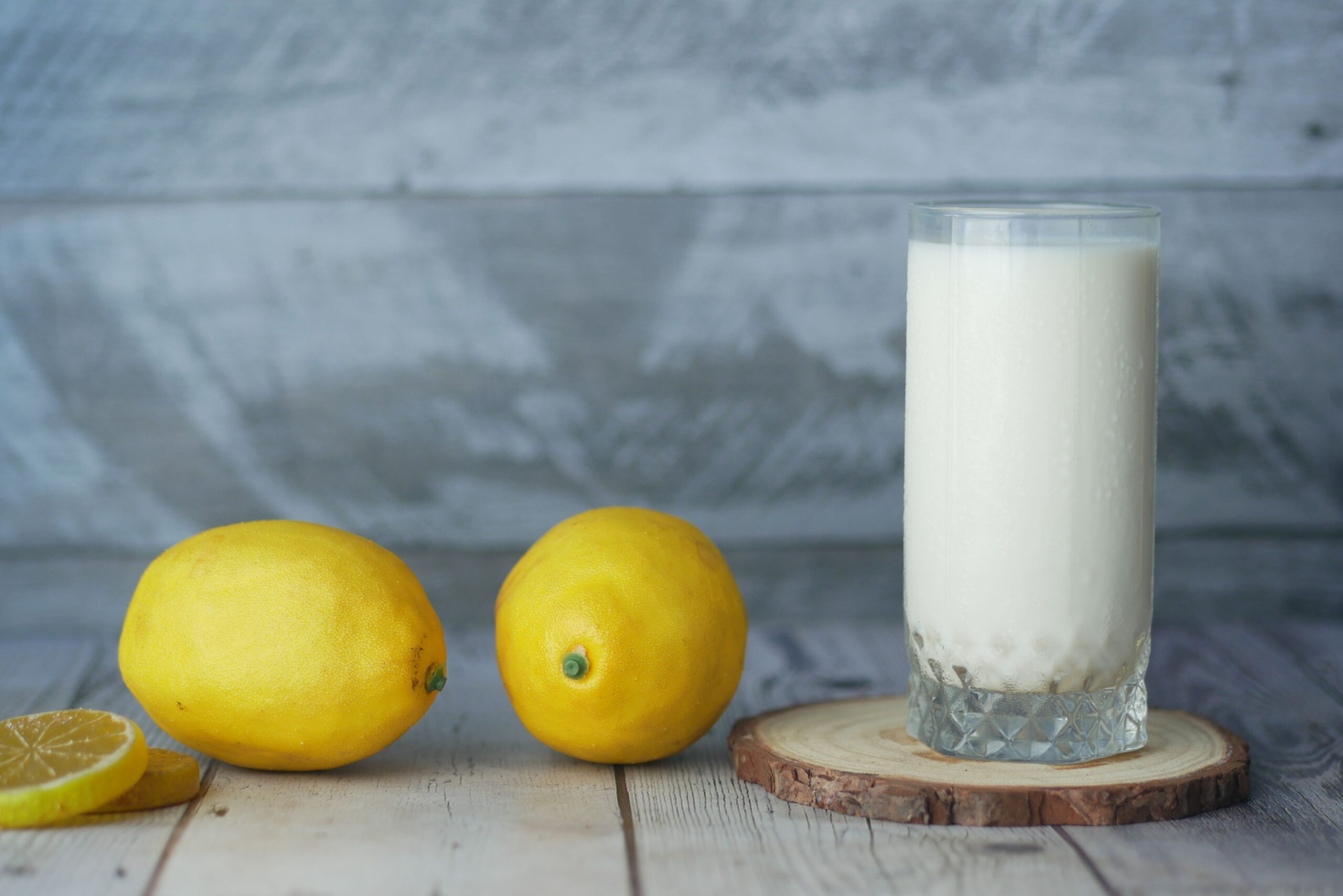
Add 1 tablespoon of white vinegar or lemon juice to a measuring cup, top up to 1 cup (240ml) with milk, stir briefly, and wait 5 minutes. That’s a buttermilk substitute ready to use in any recipe — and it works every time.
⚡ Quick answer
Add 1 tablespoon of white vinegar or lemon juice to a measuring cup, fill to 1 cup (240ml) with milk, stir once, and let stand for 5 minutes until slightly curdled.
This is the most reliable buttermilk substitute for baking. The acid curdles the milk proteins and mimics the tangy, acidic quality of real buttermilk that activates baking soda and tenderises gluten. It works in pancakes, cakes, quick breads, muffins, fried chicken, and marinades. All 5 methods — including dairy-free versions — are covered below.
Buttermilk is one of those ingredients that appears constantly in American baking recipes and almost never in a standard fridge. Most people don’t keep it on hand because it’s sold in large quantities, has a short shelf life, and gets used in small amounts. Buying a full litre for 1 cup in a recipe is genuinely wasteful — which is exactly why the homemade substitute exists and why professional bakers use it all the time.
What makes buttermilk work in baking isn’t some magical dairy property — it’s the acidity. Real buttermilk is the slightly sour liquid left over after churning cream into butter. Its low pH (around 4.5) serves two essential functions: it reacts with baking soda to produce carbon dioxide (the leavening reaction that makes your bake rise), and it weakens gluten strands, producing a more tender crumb. Any substitute that replicates that acidity performs the same job in the recipe.
The five methods below each achieve the same chemical result through different acids and bases. The milk-plus-vinegar method is the most universally available. The yoghurt method produces the richest flavour. The dairy-free versions using plant milk work reliably for vegan recipes. This guide also covers scaling ratios for any amount, the recipes where the substitute performs identically to real buttermilk, and the one situation where you should buy the real thing.
5 min
Time to make a substitute
1 tbsp
Acid per 1 cup of milk
4.5
pH of real buttermilk
1:1
Substitute ratio in recipes
All 5 Buttermilk Substitutes at a Glance
The table below compares every DIY buttermilk substitute — how to make it, how long it takes, whether it’s dairy-free, and how it performs in recipes. All methods produce 1 cup of buttermilk substitute and substitute at a 1:1 ratio unless noted.
| Method | Ingredients (per 1 cup) | Wait Time | Dairy-Free? | Best For | Rating |
|---|---|---|---|---|---|
| Milk + white vinegar | 1 tbsp white vinegar + milk to 1 cup | 5 min | ❌ No | All baked goods — most universal | ⭐⭐⭐⭐⭐ |
| Milk + lemon juice | 1 tbsp fresh lemon juice + milk to 1 cup | 5 min | ❌ No | Pancakes, cakes, muffins | ⭐⭐⭐⭐⭐ |
| Plain yoghurt thinned | ¾ cup plain yoghurt + ¼ cup milk | 0 min | ❌ No | Cakes, loaf cakes — richest result | ⭐⭐⭐⭐ |
| Sour cream thinned | ¾ cup sour cream + ¼ cup milk or water | 0 min | ❌ No | Dense cakes, carrot cake, scones | ⭐⭐⭐⭐ |
| Plant milk + vinegar (vegan) | 1 tbsp white vinegar + plant milk to 1 cup | 5–10 min | ✅ Yes | Any vegan baked good | ⭐⭐⭐⭐ |
| All substitutes replace buttermilk at a 1:1 ratio. Scale the acid proportionally for other quantities — see the scaling table below. Cream of tartar method: 1¾ tsp per 1 cup milk (no wait time needed). | |||||
Step-by-Step Instructions for Each Method
🍶
Method 1 — Best Overall
Milk + White Vinegar
1 tbsp white vinegar + milk → 1 cup · 1:1 swap
White vinegar is the most neutral-flavoured acid, which means it adds the necessary acidity without contributing any detectable taste to the finished bake. This is the preferred method for most recipes because the vinegar flavour bakes out completely — you won’t taste it in the finished cake, pancake, or bread.
- Add 1 tablespoon (15ml) of white vinegar to a liquid measuring cup or small bowl.
- Pour in whole or 2% milk until you reach the 1 cup (240ml) line. You’ll use slightly less than 1 full cup of milk since the vinegar takes up 1 tablespoon of the space.
- Stir gently once or twice — don’t whisk vigorously.
- Let stand at room temperature for 5 minutes. You’ll see slight curdling and the liquid will thicken very mildly. This means the acid has done its work.
- Use immediately in place of 1 cup of buttermilk. Do not store — make fresh for each use.
🍋
Method 2 — Brightest Flavour
Milk + Lemon Juice
1 tbsp lemon juice + milk → 1 cup · 1:1 swap
Lemon juice works identically to vinegar — the citric acid produces the same curdling reaction. Unlike vinegar, a faint citrus brightness can carry through to the finished bake, which is a positive in lemon cakes, citrus muffins, and pancakes. For chocolate cake or carrot cake where citrus would be unwelcome, use the vinegar method instead. Fresh lemon juice is slightly more acidic than bottled, so use either.
- Add 1 tablespoon (15ml) of fresh or bottled lemon juice to a measuring cup.
- Fill to the 1 cup line with whole or 2% milk.
- Stir once and let stand for 5 minutes until slightly curdled.
- Use immediately in place of 1 cup of buttermilk.
🥛
Method 3 — Richest Result
Plain Yoghurt + Milk
¾ cup yoghurt + ¼ cup milk → 1 cup · 1:1 swap
Plain yoghurt is already acidic — no waiting, no curdling, ready immediately. The slight thickness of thinned yoghurt closely matches the viscosity of real buttermilk, which is thicker than regular milk. This method produces the most tender, moist crumb of all the substitutes, especially in dense cakes and loaf cakes. Use full-fat plain yoghurt (not Greek yoghurt, which is too thick unless thinned more) for the best result.
- Measure ¾ cup (180ml) of plain whole-milk yoghurt into a bowl or measuring cup.
- Add ¼ cup (60ml) of whole milk and whisk until smooth and pourable.
- Use immediately — no resting time needed.
- For Greek yoghurt: use ½ cup Greek yoghurt + ½ cup milk, whisked smooth.
🫙
Method 4 — Richest & Creamiest
Sour Cream + Milk
¾ cup sour cream + ¼ cup milk → 1 cup · 1:1 swap
Sour cream is the highest-fat option and produces the richest, most tender baked goods of any substitute. It works particularly well in dense cakes like carrot cake, red velvet, and banana bread, and gives scones a noticeably flaky, buttery crumb. The fat content is higher than real buttermilk, which is worth knowing: the bake may be slightly more moist and dense than the original recipe intended. For lighter cakes, thinned yoghurt is a better choice.
- Measure ¾ cup (180g) of full-fat sour cream into a bowl.
- Add ¼ cup (60ml) of whole milk or water and whisk until smooth and lump-free.
- Use immediately at a 1:1 ratio for buttermilk.
🌱
Method 5 — Dairy-Free / Vegan
Plant Milk + Vinegar
1 tbsp vinegar + plant milk → 1 cup · 1:1 swap
The vegan version works on exactly the same acid-curdling principle, and it works reliably — but not all plant milks curdle equally. Soy milk is the best choice because its protein content is closest to dairy milk, producing a similar curdling reaction and the most convincing substitute. Oat milk and almond milk curdle less visibly but still acidify correctly. Coconut milk (canned, full-fat) produces a richer substitute suited to tropical-flavoured bakes. Allow 5–10 minutes for plant milks since curdling takes slightly longer.
- Add 1 tablespoon (15ml) of white vinegar or apple cider vinegar to a measuring cup. Lemon juice also works.
- Fill to the 1 cup line with unsweetened soy milk (or oat, almond, or coconut milk).
- Stir once and let stand for 5–10 minutes. Soy milk will curdle visibly; other plant milks may only thicken slightly.
- Use immediately in place of 1 cup of buttermilk.
SavoryTribe Baking Tool
Baking Substitutions Guide
Need to swap another ingredient — eggs, butter, flour, or sugar? Our free substitution guide covers 30+ baking ingredients with exact ratios and notes for every swap.
Buttermilk Substitute Scaling — Any Amount
Most recipes call for ½ cup or 1 cup of buttermilk, but larger baking batches — or recipes for pancakes and fried chicken — often need more. The table below scales the vinegar and lemon juice methods for every common amount. The ratio is always 1 tablespoon of acid per 1 cup of milk, which simplifies to 1 teaspoon per ⅓ cup.
| Buttermilk Needed | White Vinegar or Lemon Juice | Milk to Add | Total Volume |
|---|---|---|---|
| ¼ cup (60ml) | ¾ tsp | Fill to ¼ cup line | 60ml |
| ⅓ cup (80ml) | 1 tsp | Fill to ⅓ cup line | 80ml |
| ½ cup (120ml) | 1½ tsp | Fill to ½ cup line | 120ml |
| ¾ cup (180ml) | 2¼ tsp | Fill to ¾ cup line | 180ml |
| 1 cup (240ml) | 1 tbsp | Fill to 1 cup line | 240ml |
| 1½ cups (360ml) | 1½ tbsp | Fill to 1½ cup line | 360ml |
| 2 cups (480ml) | 2 tbsp | Fill to 2 cup line | 480ml |
| Always add the acid first, then fill to the required line with milk. This ensures an accurate total volume. Let stand 5 minutes before using. | |||
Why Buttermilk Matters in Baking — The Science
Understanding what buttermilk does in a recipe tells you why the substitutes work — and why the 5-minute waiting period isn’t optional. Buttermilk performs three jobs simultaneously in baked goods, and a good substitute has to replicate all three.
1. It Activates Baking Soda
Baking soda (bicarbonate of soda) is a base that needs an acid to activate. When buttermilk’s low-pH acids meet baking soda, they produce carbon dioxide gas — the bubbles that make your bake rise. Without the acid, baking soda does almost nothing. This is why substituting regular milk for buttermilk in a recipe that uses baking soda as its only leavener produces a flat, dense result. The substitute must be acidic enough to trigger this reaction, which is why the 5-minute standing time matters: the acid needs time to curdle the proteins and lower the pH of the liquid before it goes into the batter.
2. It Tenderises Gluten
Acid weakens the gluten network that forms when flour meets water and gets mixed. A weaker gluten network means a more tender, fine crumb — exactly what makes buttermilk pancakes softer than regular pancakes, and buttermilk cake layers lighter than standard cake. Regular milk won’t produce this effect because it’s pH-neutral. The substitute’s acid — whether from vinegar, lemon juice, or yoghurt — produces the same gluten-weakening chemistry.
3. It Adds Flavour Depth
The slight tanginess of buttermilk contributes a background flavour that balances sweetness in cakes and adds complexity to savoury applications like fried chicken marinades. The vinegar method mimics this most neutrally — the vinegar flavour bakes out completely. The yoghurt method adds the most flavour depth. For fried chicken and other savoury uses where the buttermilk is a marinade rather than a baking ingredient, the yoghurt or sour cream methods tend to produce the most flavourful result because the proteins help tenderise the meat more effectively.
❌ Won’t work
Swapping plain milk 1:1
Regular milk is pH-neutral — it won’t activate baking soda or tenderise gluten. Using it in place of buttermilk in a recipe with baking soda only (no baking powder) will produce a flat, dense, slightly bitter bake. The baking soda won’t fully react and leaves a metallic aftertaste.
✅ Always works
Any acidified milk substitute
All five methods above lower the milk’s pH enough to activate baking soda and tenderise gluten. The 5-minute standing time is the step that makes it work — skip it and you’re adding near-neutral milk with a small amount of vinegar floating in it, which won’t curdle or acidify properly.
Key Takeaways
- The quickest buttermilk substitute: 1 tablespoon white vinegar or lemon juice + milk to 1 cup, stirred and rested 5 minutes.
- All substitutes replace buttermilk at a 1:1 ratio — no recipe adjustment needed.
- The 5-minute rest is essential — it allows the acid to curdle the milk proteins and lower the pH so it performs like real buttermilk.
- Buttermilk works in baking by activating baking soda, tenderising gluten, and adding background flavour depth.
- For the most tender crumb: use the yoghurt method. For neutral flavour: use the white vinegar method. For vegan baking: use soy milk + vinegar.
- The scaling ratio is 1 tablespoon of acid per 1 cup of milk, or 1 teaspoon per ⅓ cup.
- Don’t substitute plain milk 1:1 — it’s pH-neutral and won’t activate baking soda or tenderise gluten.
- Use SavoryTribe’s Baking Substitutions Guide for swap ratios on eggs, butter, flour, sugar, and 25+ other baking ingredients.
Frequently Asked Questions
Can I use apple cider vinegar instead of white vinegar to make buttermilk?
Yes — apple cider vinegar works equally well at the same ratio: 1 tablespoon per 1 cup of milk. The acetic acid content is similar to white vinegar, so the curdling reaction and pH result are essentially identical. Apple cider vinegar has a slightly fruity flavour that may be detectable in very delicate, lightly flavoured bakes like white cake or vanilla cupcakes — in those cases, white vinegar or lemon juice is a more neutral choice. For most recipes, especially those with strong flavours like chocolate, spice cake, or banana bread, apple cider vinegar is undetectable in the finished bake.
How long does homemade buttermilk substitute last?
Make the substitute fresh for each use and don’t store it. The acidification reaction is immediate, but the acidity of the mixture continues to change after the 5-minute window — the milk keeps curdling and the pH keeps dropping if left to sit. After 30–60 minutes the texture and flavour will be noticeably different from freshly made. It takes less than 2 minutes to make a fresh batch, and making it fresh guarantees the right acidity level every time. If you have leftover real buttermilk, it keeps for 2 weeks in the fridge and 3 months in the freezer.
Does the type of milk matter — whole, skimmed, or plant-based?
Whole milk produces the closest result to real buttermilk because the fat content matches more closely. 2% milk works perfectly and is the most commonly used. Skimmed milk produces a thinner, slightly less rich substitute — it will work in most recipes but may produce a marginally less tender crumb in delicate cakes. For dairy-free, soy milk is the best substitute because its protein content (2.8–3.5g per 100ml) is closest to dairy milk, producing the most convincing curdling reaction and the most similar baking behaviour. Oat and almond milk have significantly less protein and acidify less visibly, though they still work.
Can I freeze buttermilk substitute for later use?
You can freeze real buttermilk for up to 3 months — portion it into ice cube trays (each cube is roughly 2 tablespoons) for convenient small-batch thawing. However, freezing the DIY milk-and-vinegar substitute is not recommended — the curdled texture becomes unpleasant after thawing and the milk proteins separate in ways that don’t recombine cleanly. If you bake with buttermilk regularly, buy real buttermilk and freeze it in measured portions. If you only occasionally need it, make the substitute fresh each time.
Does buttermilk substitute work in fried chicken?
Yes — the vinegar or lemon juice method works in fried chicken marinades. The acid tenderises the meat fibres in the same way real buttermilk does. For fried chicken specifically, the yoghurt method produces an even better marinade than either vinegar-milk or real buttermilk — the yoghurt proteins cling to the meat surface more effectively and the higher fat content creates a richer, more flavourful crust. Marinate the chicken in the yoghurt substitute for 4–24 hours in the fridge for maximum tenderness and flavour penetration.
My buttermilk substitute didn’t curdle — did it fail?
Not necessarily — visible curdling varies by milk type, fat content, and room temperature. The curdling you see is the acid denaturing milk proteins, but the chemical change (acidification) happens even when curdling isn’t very visible. If you used the correct ratio (1 tablespoon acid per 1 cup milk) and waited 5 minutes, the substitute is ready to use whether or not it looks visibly curdled. Plant milks — especially oat and almond milk — rarely curdle visibly at all but still acidify correctly. The only time to be concerned is if you’re unsure you added the acid — if no acid was added, the milk is just milk and won’t work as a buttermilk substitute.
Can I substitute buttermilk with cream of tartar?
Yes — cream of tartar is another acid that works well as a buttermilk substitute. Use 1¾ teaspoons of cream of tartar per 1 cup of milk. Whisk the cream of tartar into the milk thoroughly — it doesn’t dissolve as easily as vinegar or lemon juice, so whisk until fully combined before adding to your batter. No waiting time is needed with cream of tartar; it activates immediately. This method is useful when you’re out of both vinegar and lemon juice, as cream of tartar is a common pantry baking staple. It produces a very clean, neutral flavour and works equally well in sweet and savoury applications.
Does homemade buttermilk taste the same as real buttermilk?
Not if you taste them side by side — real cultured buttermilk has a distinct fermented, tangy flavour from bacterial cultures that the quick-acid method doesn’t fully replicate. However, in a finished bake, the flavour difference is negligible. The chemical job that buttermilk does — activating baking soda and tenderising gluten — is performed identically by the substitute. The only context where real buttermilk’s flavour makes a meaningful difference is in a recipe where buttermilk is the dominant flavour, like a very simply flavoured buttermilk panna cotta or a buttermilk ice cream. For every standard cake, pancake, quick bread, or muffin recipe, the substitute is indistinguishable in the final result.
SavoryTribe Baking Tool
Baking Substitutions Guide
Missing another ingredient? Our free substitution guide covers eggs, butter, flour, oil, sugar, and 25+ more — with exact ratios and notes on when each swap works best.