The Best Fluffy Pancakes recipe you will fall in love with. Full of tips and tricks to help you make the best pancakes.

Cooking Guide
How to Defrost Ground Beef Fast (3 Safe Methods)
The fastest safe method is cold water — about 1 hour per 500g. The microwave works in 5–10 minutes but requires immediate cooking. The fridge method takes 8–24 hours but needs zero attention. All three are safe. The counter is not.
⚡ Quick answer
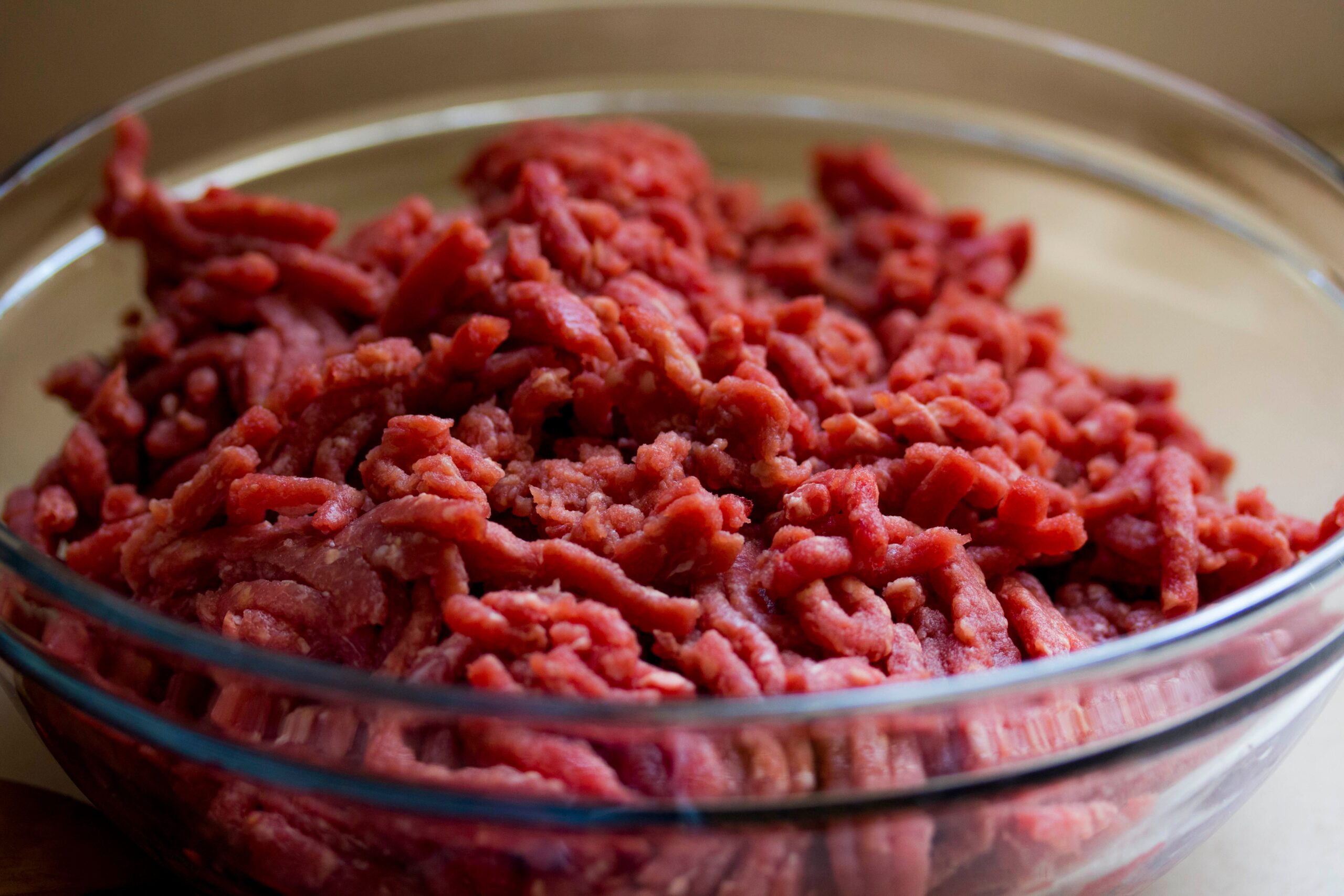
The fastest safe way to defrost ground beef is the cold water method: submerge the sealed package in cold water and change the water every 30 minutes — allow 1 hour per 500g.
The microwave is faster (5–10 minutes) but you must cook the beef immediately after. The fridge method takes 8–24 hours but is the most hands-off. Never thaw ground beef on the counter — the outer layer enters the bacterial danger zone (40°F–140°F / 4°C–60°C) long before the centre thaws.
Ground beef is one of the most frozen proteins in the average home kitchen — and one of the most commonly thawed unsafely. The counter method is so widespread that many people assume it’s fine because nothing bad has visibly happened yet. That logic doesn’t hold. The outer surface of a counter-thawing package can reach bacterial growth temperatures in under an hour while the centre is still frozen solid.
The three USDA-approved methods each have a specific use case. The cold water method is the best balance of speed and safety — one hour per 500g, requires a resealable bag and a bowl of cold water. The microwave method is the fastest option but it partially cooks the edges of the beef during thawing, which is why cooking must follow immediately. The fridge method is the slowest but requires nothing from you once the beef is moved to the shelf — it’s the right choice for planned meals the next day.
There’s also a fourth option most people don’t consider: cooking from frozen entirely. For certain uses — bolognese, chilli, taco meat — you can go straight from the freezer to the pan. It takes longer, but it sidesteps the thawing question altogether. This guide covers all four approaches with exact times, step-by-step instructions, and the specific situations each method is best for.
~1 hr
Cold water method per 500g
5–10 min
Microwave defrost time
8–24 hrs
Fridge thaw time
160°F
Safe internal cook temp (71°C)
All 3 Methods at a Glance
The table below compares every safe defrosting method on speed, safety, effort, and whether you need to cook immediately after thawing. Use it to pick the right method for how much time you have.
| Method | Time (500g) | Time (1kg) | Cook Immediately? | Best For |
|---|---|---|---|---|
| Cold water | ~1 hour | ~2 hours | Yes — cook within 1–2 hrs | Same-day meals, fastest safe method |
| Microwave | 5–10 minutes | 10–15 minutes | Yes — cook immediately | When you’re already late to cook |
| Fridge (overnight) | 8–12 hours | 18–24 hours | No — use within 1–2 days | Planned meals, best quality |
| Cook from frozen | +50% longer | +50% longer | N/A — already cooking | Mince dishes: bolognese, chilli, tacos |
| Counter (room temp) | — | — | — | ❌ Not safe — do not use |
| USDA FSIS guidelines. Times are for ground beef stored flat. Thick blocks take longer than flattened portions. Always cook ground beef to 160°F (71°C) internal temperature. | ||||
Method 1: Cold Water — The Fastest Safe Method
💧
Method 1
Cold Water Thaw
Water conducts heat approximately 25 times faster than air, which is why this method beats the fridge by hours. The cold temperature keeps bacteria in check while the water rapidly draws heat from the frozen beef. The key constraints: the beef must stay in a sealed bag the entire time (to prevent water absorption and cross-contamination), and the water must be changed every 30 minutes to keep it cold enough to remain effective.
- Leave the ground beef in its original sealed packaging, or transfer it to a heavy-duty zip-lock bag if the original pack is torn. Squeeze out as much air as possible before sealing.
- Fill a large bowl or clean sink with cold tap water. Do not use warm or hot water — this would bring the outer surface of the beef into the danger zone.
- Submerge the sealed package completely. If it floats, set a plate or heavy bowl on top to keep it under water.
- Change the water every 30 minutes. This is the step most people skip — and it’s the reason the method stops working if you don’t. Water absorbs heat from the beef and warms up. Warm water means slower thawing and higher bacterial risk.
- Allow approximately 1 hour per 500g. A 500g pack: 1 hour. A 1kg pack: 2 hours. Check for flexibility — the beef is ready when it bends easily and there are no frozen hard spots in the centre.
- Cook within 1–2 hours of fully thawing. Do not re-refrigerate raw ground beef thawed this way without cooking it first.
Freeze flat to thaw fast: If you freeze ground beef in thick blocks, the cold water method can take considerably longer than the 1 hour per 500g guideline. Flatten each portion to roughly 1.5cm thickness before freezing — it thaws uniformly and reaches the centre much faster. This one preparation habit saves 30–45 minutes every time you defrost.
SavoryTribe Kitchen Tool
Defrost Time Calculator
Enter the weight of your frozen ground beef and get the exact defrost time for every method — cold water, fridge, and microwave — in seconds.
Method 2: Microwave — When You Need It Now
📡
Method 2
Microwave Defrost
Microwave defrosting is the fastest method but it comes with a non-negotiable rule: cook the beef immediately after thawing. Microwaves defrost unevenly — the outer edges and thinner sections begin to cook during the defrost cycle while the centre is still frozen. This means bacteria that were dormant in the frozen state are now active in a warm environment. Re-refrigerating microwave-thawed beef creates a window for rapid bacterial growth.
- Remove the ground beef from all packaging — plastic film, foam trays, and any ties or clips. Place the frozen block in a microwave-safe dish with raised sides to catch any liquid that releases during thawing.
- Set your microwave to the Defrost setting (typically 30–40% power). Do not use full power — it will cook the edges before the centre thaws.
- Defrost in 2-minute intervals, rotating and flipping the beef between each interval. Breaking it into rounds gives you control and prevents overcooking the edges.
- After each interval, check the beef by pressing the centre with your finger. When the edges are soft but the very centre still has a cold, firm spot, stop and let it rest for 2 minutes — residual heat will finish the job gently.
- Total time: approximately 5–7 minutes for 500g, 10–15 minutes for 1kg. Exact times vary significantly by microwave wattage.
- Cook the beef immediately in a hot pan. Do not refrigerate or re-freeze the thawed beef without cooking.
Method 3: Fridge Thaw — The Best Quality Method
❄️
Method 3
Refrigerator Thaw
Fridge thawing is the safest and highest-quality method because the beef never leaves a safe temperature during the entire thaw. The meat defrosts gradually and evenly, which preserves texture and prevents any partial cooking of the surface. The only cost is time. Once thawed this way, raw ground beef can stay in the fridge for up to 1–2 days before you need to cook it — giving you flexibility that no other method offers.
- Move the frozen ground beef from the freezer to the bottom shelf of the fridge — the coldest area, and the safest for raw meat (any drips fall away from other food).
- Place it in a bowl or on a plate to catch any liquid released during thawing. Leave it in its original sealed packaging.
- Allow 8–12 hours for a 500g portion that was frozen flat. A thick 500g block or a 1kg package may take 18–24 hours.
- Check if fully thawed by pressing the centre — there should be no frozen hard spots and the beef should flex easily. If the centre is still firm and cold, return it for a few more hours.
- Once thawed, use within 1–2 days. This is the same window as fresh raw ground beef purchased that day.
Method 4: Cook from Frozen — The No-Wait Option
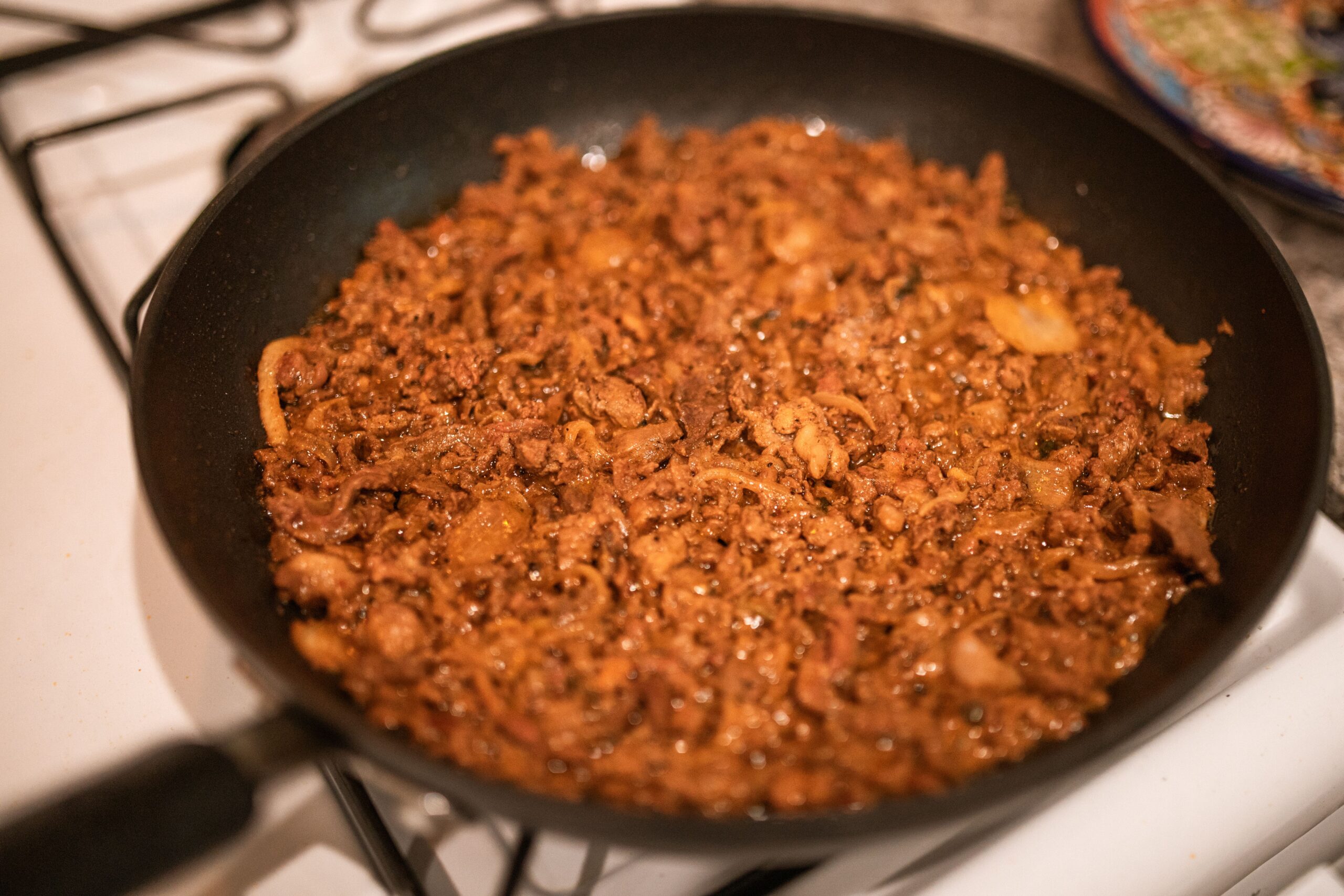
For ground beef dishes where the meat gets broken up during cooking — bolognese, chilli, taco meat, Sloppy Joes, fried rice — you can go straight from the freezer to a hot pan. No thawing required, no food safety compromise. The USDA explicitly confirms that cooking from frozen is safe as long as the beef reaches 160°F (71°C) throughout.
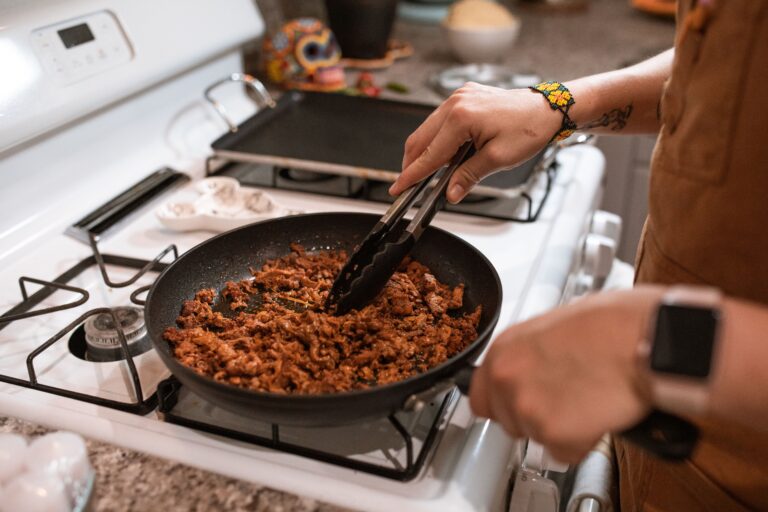
The technique is simple: place the frozen block in a hot pan over medium heat. As the exterior begins to cook and the block softens, use a spatula or wooden spoon to break it apart progressively, exposing the still-frozen interior to the heat. You’ll go through a phase where half the beef is browned and the centre is still an icy block — keep the heat steady and keep working at it. The entire process takes roughly 50% longer than cooking fresh or fully thawed beef.
The one thing cooking from frozen doesn’t work well for is shaped beef — burger patties or meatballs that need to hold their form during cooking. These need to be fully thawed first so they bind correctly before hitting the heat.
❌ Never do this
Thaw on the counter
The outer surface of ground beef reaches the bacterial danger zone (40°F–140°F / 4°C–60°C) within 1–2 hours at room temperature. The centre may still be frozen while the outside is already unsafe. This is the most common ground beef food safety mistake.
✅ Use one of these
Cold water, microwave, or fridge
All three USDA-approved methods keep the beef at safe temperatures throughout thawing. Cold water = fastest safe method. Microwave = fastest overall but cook immediately. Fridge = best quality and no time pressure after thawing.
The one rule that applies to all methods: Ground beef — raw or cooked — must not sit at room temperature for more than 2 hours (1 hour if your kitchen is above 90°F / 32°C). This applies during the defrosting process too. If you set beef in cold water and forget about it for 4 hours with the water growing warm, you’ve created the same conditions as counter thawing. Set a timer.
Key Takeaways
- The fastest safe defrost method is cold water: ~1 hour per 500g, with the water changed every 30 minutes.
- The microwave defrosts in 5–10 minutes but you must cook the beef immediately after — no re-refrigerating.
- The fridge method takes 8–24 hours but gives you a 1–2 day window after thawing and produces the best texture.
- You can cook ground beef straight from frozen for dishes like bolognese, chilli, and taco meat — allow 50% more cooking time.
- Never thaw ground beef on the counter — the surface enters the bacterial danger zone before the centre defrosts.
- Freeze beef flat (1.5cm thick) to cut cold water defrost time significantly — thick blocks take much longer than flat portions.
- Cook all ground beef to an internal temperature of 160°F (71°C) regardless of defrost method used.
- Use SavoryTribe’s Defrost Time Calculator for exact times based on the weight of your frozen beef.
Frequently Asked Questions
How long does it take to defrost ground beef in cold water?
The cold water method takes approximately 1 hour per 500g (1 lb) of ground beef. A standard 500g pack defrosts in about 60 minutes. A 1kg (2 lb) pack takes approximately 2 hours. These times assume the beef was frozen flat and that you change the water every 30 minutes to keep it cold. A thick frozen block can take 30–45 minutes longer than a flat portion of the same weight. Once fully thawed, cook within 1–2 hours.
Is it safe to defrost ground beef in the microwave?
Yes — defrosting ground beef in the microwave is safe, but it comes with a strict condition: you must cook the beef immediately after. Microwaves heat unevenly, which means parts of the beef may begin to cook during the defrost cycle. This activates any bacteria that were dormant in the frozen state. If you refrigerate microwave-thawed beef without cooking it, those active bacteria continue to multiply. Use defrost mode (30–40% power) and work in 2-minute intervals, flipping the beef between rounds.
Can you defrost ground beef in hot water?
No — do not use hot water to defrost ground beef. Hot water rapidly brings the outer surface of the beef into the bacterial danger zone (above 40°F / 4°C) while the centre is still frozen. The surface reaches temperatures where bacteria multiply at speed, creating a genuine food safety risk. Always use cold tap water only. The cold water method works because water still conducts heat far faster than air — the cold temperature is what keeps it safe throughout the process.
How long does ground beef take to defrost in the fridge?
Fridge thawing takes 8–12 hours for a 500g flat portion of ground beef, and 18–24 hours for a 1kg or thicker block. The variation depends primarily on how the beef was frozen — a thin flat portion thaws significantly faster than a thick cylindrical block of the same weight. Move the beef to the fridge the night before you plan to cook it. Once fully thawed, raw ground beef can remain in the fridge for up to 1–2 days before it needs to be cooked or discarded.
Can you cook ground beef from frozen without thawing?
Yes — cooking ground beef from frozen is completely safe, and it’s an underused technique. Place the frozen block directly in a hot pan over medium heat. As the exterior cooks, break it apart gradually with a spatula, exposing the frozen interior to the heat. The process takes approximately 50% longer than cooking fresh beef. It works best for dishes where the beef gets crumbled — bolognese, chilli, taco meat, and stir-fries. It doesn’t work as well for shaped beef like burger patties or meatballs, which need to be fully thawed first to bind and hold their form.
Can you refreeze ground beef after thawing?
It depends on the thaw method and whether the beef is raw or cooked. Raw ground beef thawed in the fridge can technically be refrozen before cooking, but the USDA advises against it — each freeze-thaw cycle degrades texture and increases bacterial exposure. The better approach is to cook it first, then freeze the cooked beef. Raw beef thawed via cold water or microwave should not be refrozen raw — cook it immediately. Cooked ground beef that was thawed in the fridge can be safely refrozen once.
Why can’t you defrost ground beef on the counter?
Counter thawing is unsafe because the outer surface of the beef rapidly warms into the bacterial danger zone — 40°F to 140°F (4°C to 60°C) — while the interior is still frozen. At room temperature (around 70°F / 21°C), the outer layer enters this zone within one hour. Bacteria like E. coli O157:H7 and Salmonella can double approximately every 20 minutes in this range. By the time the centre has thawed, the surface may have been in the danger zone for several hours — long enough for bacterial counts to reach unsafe levels even if the beef looks and smells completely normal.
How do I know when frozen ground beef is fully thawed?
The most reliable test is the press-and-bend test: press the centre of the package firmly with your fingers. If you feel a hard, icy core that doesn’t give, the beef needs more time. If the beef is uniformly soft and the package bends without resistance, it’s fully thawed. For beef in a bowl or plate, you can also break the mass gently — fully thawed ground beef will separate easily. Any remaining firm, frozen patches in the centre mean it needs more thaw time. Don’t rush it into the pan with frozen spots — uneven cooking means the internal temperature will vary and safe cooking temp may not be reached uniformly.
SavoryTribe Kitchen Tool
Defrost Time Calculator
Know exactly how long your frozen ground beef needs — just enter the weight and choose your method. Works for all frozen meats, not just beef.