The Best Fluffy Pancakes recipe you will fall in love with. Full of tips and tricks to help you make the best pancakes.

Butter Substitutes in Baking — The Complete Guide
The best butter substitute in baking depends entirely on the recipe. Coconut oil swaps 1:1 for melted butter. Applesauce replaces half the butter in moist cakes. This guide covers every substitute with exact ratios and the recipes each one suits best.
⚡ Quick Answer
The best all-purpose butter substitute in baking is coconut oil — use it at a 1:1 ratio for melted butter in any recipe. For dairy-free baking, vegan butter also swaps 1:1 and produces the closest result to real butter in texture and flavour.
No single substitute works perfectly in every recipe. Coconut oil adds a mild coconut flavour. Applesauce reduces fat but changes texture. Vegan butter is the most neutral swap. The right choice depends on whether you need dairy-free, vegan, lower-fat, or simply don’t have butter on hand — the full comparison table below covers all eight options.
Butter does three distinct jobs in baking simultaneously: it provides fat (which creates tender crumb and richness), moisture (butter is about 17% water, which creates steam and lift during baking), and flavour (the dairy solids in butter contribute a distinct richness no plant oil fully replicates). Understanding which of these three functions matters most in a given recipe tells you which substitute to reach for.
In a chocolate brownie, fat and moisture matter most — flavour comes from the chocolate — which is why coconut oil or even avocado work well there. In a shortbread or butter cookie, the flavour of butter is central to the entire recipe, which makes vegan butter or a European-style plant-based block far superior to oil substitutes. In a banana bread or moist quick bread, reducing fat is often the goal — and that’s where applesauce, Greek yogurt, or mashed banana step in to replace some or all of the butter while keeping moisture high.
This guide covers eight reliable butter substitutes for baking with exact swap ratios, the texture and flavour trade-offs for each, and a clear indication of which recipes each one suits and which it doesn’t. For any baking substitution across more ingredients, the Baking Substitutions tool gives you instant ratios and notes for the most common swaps.
1 : 1
Coconut oil to melted butter swap ratio
¾ : 1
Oil to butter ratio (less oil needed)
½ max
Max butter to replace with applesauce without texture loss
17%
Water content of butter — affects steam and rise
Butter Substitutes in Baking — Ratios and Best Uses
The table below covers every practical butter substitute for baking — dairy-free, vegan, lower-fat, and pantry-staple options — with the precise swap ratio for each and a clear indication of where each one works well and where it falls short.
| Substitute | Swap Ratio | Best For | Avoid In | Flavour Impact |
|---|---|---|---|---|
| Vegan Butter | 1 : 1 | Any baking recipe | Nothing — most neutral swap | Minimal — closest to real butter |
| Coconut Oil (refined) | 1 : 1 (melted) | Brownies, cookies, quick breads | Delicate flavour recipes | Mild coconut (refined = less) |
| Olive Oil | ¾ cup per 1 cup butter | Savoury bakes, dense cakes | Cookies, shortbread, frostings | Distinct — use light/mild variety |
| Vegetable / Canola Oil | ¾ cup per 1 cup butter | Muffins, quick breads, cakes | Cookies, pastry, frostings | Neutral — no added flavour |
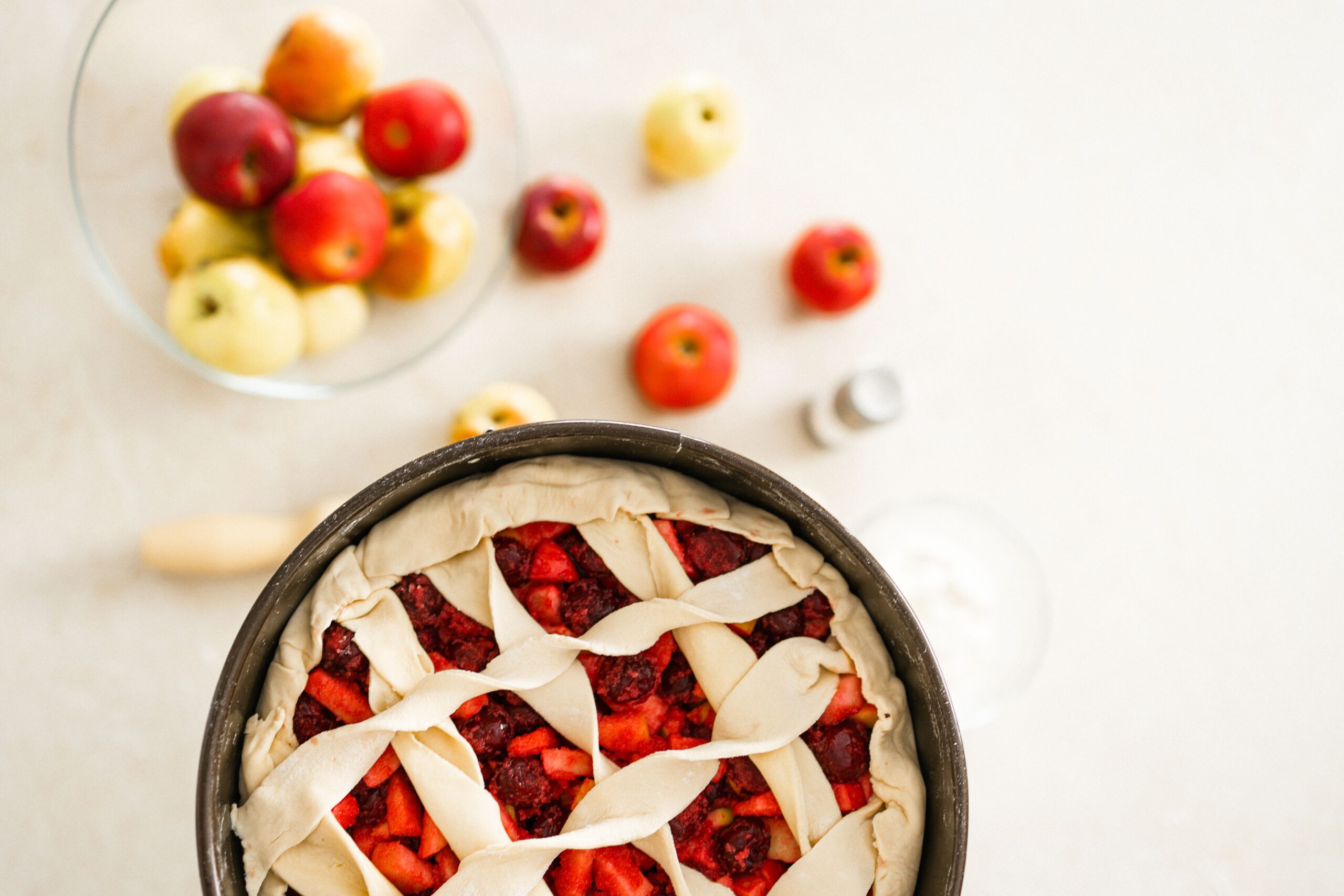
| Applesauce (unsweetened) | ½ : 1 (replace up to half the butter) | Muffins, banana bread, spiced cakes | Cookies, shortbread, puff pastry | Slight apple sweetness |
| Greek Yogurt | ½ : 1 (replace up to half the butter) | Moist cakes, muffins, quick breads | Cookies, pastry, vegan recipes | Mild tang — not detectable when baked |
| Mashed Avocado | 1 : 1 | Brownies, chocolate cakes, dense muffins | Light sponges, frostings, pastry | Subtle — masked by other flavours |
| Mashed Banana | ½ : 1 (replace up to half the butter) | Banana bread, muffins, pancakes | Neutral-flavour recipes | Strong banana flavour |
| Ratios are by volume (cups/tablespoons). For melted butter substitutions use liquid substitutes directly. For creamed butter (cookies, cakes where butter is creamed with sugar), vegan butter or coconut oil (solid, not melted) perform best — liquid oils cannot trap air the way creamed butter does. | ||||
Liquid oils cannot replace creamed butter. When a recipe instructs you to “cream butter and sugar together,” that step creates tiny air pockets that leaven the bake. Liquid oil won’t cream — it just coats the sugar crystals. Use solid vegan butter or room-temperature coconut oil (not melted) as the only substitutes when creaming is required.
Each Butter Substitute Explained
Vegan Butter — The Most Reliable Swap
Vegan butter (brands like Earth Balance, Miyoko’s, Flora) is formulated specifically to replicate the fat content, water content, and behaviour of dairy butter in baking. It swaps at a 1:1 ratio in every recipe type — cookies, cakes, frostings, pastry, and pie crust — and produces the closest result to real butter in both texture and flavour. It can be creamed with sugar, melted for brownies, or used cold in pastry. The trade-off is cost — vegan butter typically runs 2–3 times the price of standard butter. For occasional use as a dairy-free swap, it’s the most dependable choice across all recipe types.
Coconut Oil — Best for Everyday Swaps
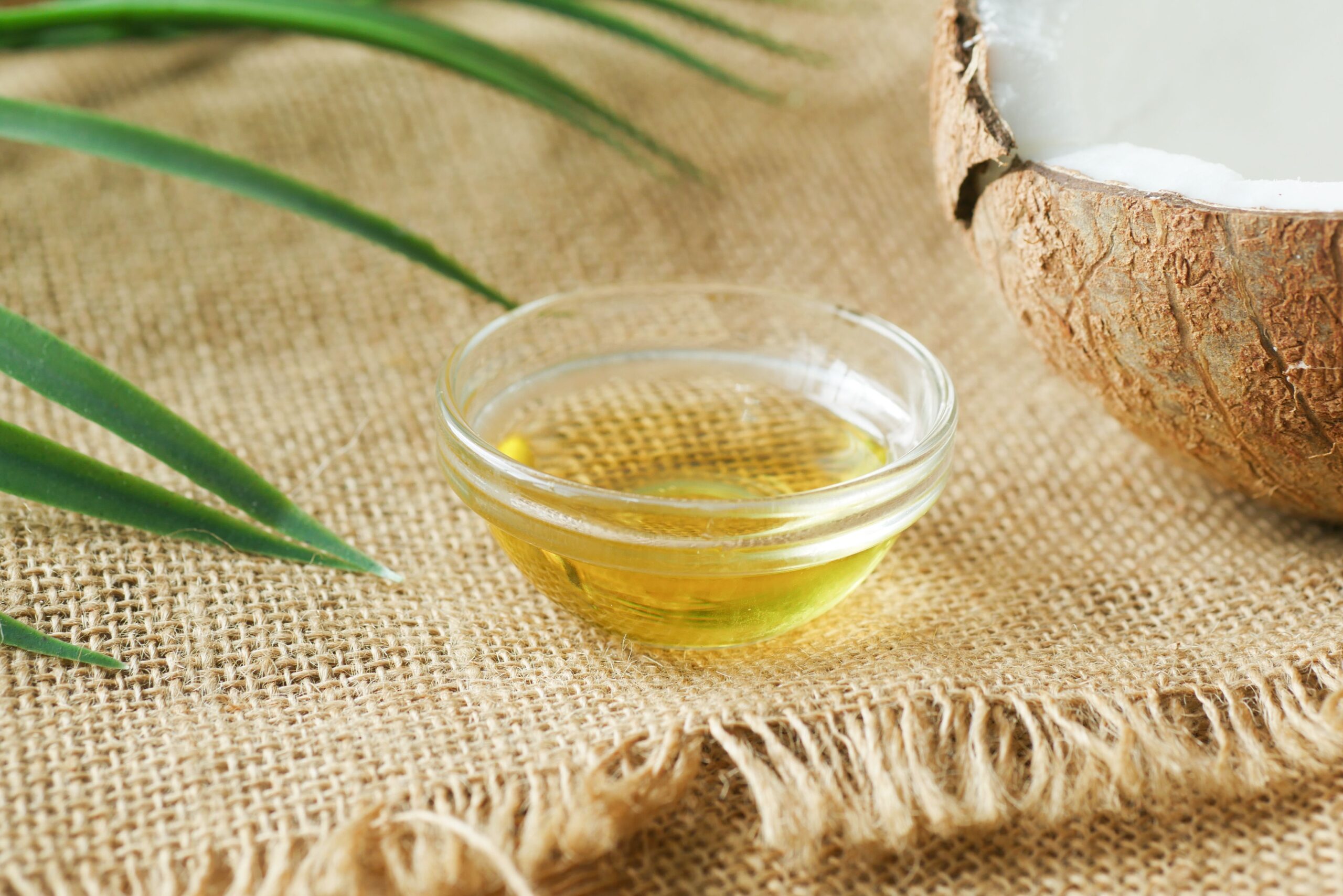
Refined coconut oil is the most popular butter substitute for everyday baking because it’s widely available, inexpensive, and swaps at a clean 1:1 ratio for melted butter. It’s solid below 76°F (24°C) and liquid above it, which mirrors butter’s phase behaviour closely. Use refined coconut oil (not virgin or unrefined) to minimise the coconut flavour — refined coconut oil is nearly tasteless and odourless. In brownies, chocolate cakes, muffins, and most cookies, the swap is nearly undetectable. In delicate vanilla-forward recipes like sugar cookies or pound cake, a slight coconut undertone may be perceptible.
Neutral Oil (Vegetable or Canola) — For Tender, Moist Bakes
Vegetable oil and canola oil are excellent butter substitutes for recipes where tenderness and moisture matter more than structure. Use ¾ cup of oil per 1 cup of butter — less oil is needed because oil is 100% fat while butter is only about 80% fat (the rest being water and milk solids). Oil keeps baked goods moister for longer than butter because it stays liquid at room temperature. The trade-off is texture: oil-based cakes have a tighter, more uniform crumb than butter-based cakes, which have a more varied, layered texture from the creaming process. Muffins, quick breads, and layer cakes work excellently with oil; cookies and shortbreads do not.
Applesauce — For Lower-Fat Moist Baking
Unsweetened applesauce is a lower-fat butter substitute that works by replacing the moisture butter provides while contributing almost no fat. Replace up to half the butter in a recipe with an equal volume of applesauce — substituting more than half typically produces a gummy, dense texture that doesn’t recover with longer bake time. A recipe using 1 cup of butter can use ½ cup of applesauce plus ½ cup of butter, reducing the fat content significantly while maintaining a moist, tender crumb. This swap works best in strongly flavoured recipes — banana bread, carrot cake, spiced muffins — where the mild apple sweetness is undetectable. In plain cakes or vanilla bakes it can be noticeable.
Greek Yogurt — For Richness Without All the Fat
Full-fat Greek yogurt replaces butter with a combination of fat, protein, and moisture that keeps baked goods tender and rich without the full fat load of butter. Like applesauce, replace up to half the butter with an equal amount of Greek yogurt. Greek yogurt also adds a very slight tang — not identifiable as yogurt flavour once baked, but it brightens the overall flavour of cakes and muffins in a way similar to buttermilk. It’s not a vegan option, and it adds some protein which can tighten the crumb slightly in large quantities — another reason to cap the substitution at half.
SavoryTribe Free Tool
Baking Substitutions Guide
Find the right substitute for butter, eggs, flour, sugar, and milk in any baking recipe — with exact ratios and notes for each swap.
Which Butter Substitute to Use — By Recipe Type
Rather than searching for the best substitute generally, the clearest way to choose is by matching the substitute to the specific recipe type. The table below gives you the top recommendation and a reliable backup for every common baking category.
| Recipe Type | Best Substitute | Good Backup | Avoid |
|---|---|---|---|
| Brownies & fudgy bars | Coconut oil (1:1) | Avocado (1:1) | Applesauce (makes them cakey) |
| Cookies (drop cookies) | Vegan butter (1:1) | Coconut oil, solid (1:1) | Liquid oil (cookies spread flat) |
| Shortbread & butter cookies | Vegan butter (1:1) | Nothing equivalent | All oils and applesauce |
| Cakes & layer cakes | Vegan butter (1:1) | Canola oil (¾:1) | Applesauce alone (dense result) |
| Muffins & quick breads | Canola oil (¾:1) | Applesauce (up to ½ replacement) | Solid coconut oil (uneven mixing) |
| Banana bread & spiced loaves | Coconut oil (1:1) or applesauce (½:1) | Greek yogurt (½:1) | Olive oil (overpowering flavour) |
| Pie crust & pastry | Vegan butter (1:1, cold) | Vegetable shortening (1:1) | All liquid oils and applesauce |
| Frostings & buttercream | Vegan butter (1:1) | Coconut cream (for whipped frosting) | All oils and applesauce |
| For pastry and pie crust, cold fat is essential for creating flaky layers. Only vegan butter (kept cold) or vegetable shortening maintain the solid structure required. Liquid oil produces a crumbly, mealy crust with no flakiness. | |||
The Most Common Mistake — Oil in a Cookie Recipe
❌ Common Mistake
Replace butter with vegetable oil in chocolate chip cookies
Oil can’t cream with sugar and has no structure at room temperature. Cookies spread into thin, greasy discs that are crisp at the edges and raw in the middle. The texture never recovers — this is a chemistry failure, not a bake time issue.
✅ Correct Method
Replace butter with solid vegan butter or solid coconut oil in cookies
Solid fats cream with sugar and maintain structure during baking. Vegan butter produces near-identical cookies. Solid refined coconut oil produces slightly crispier edges and a mild coconut note. Both swap at 1:1. Chill dough before baking for best results.
Refined vs virgin coconut oil: Always specify refined coconut oil when baking savoury or neutral-flavoured goods. Virgin (unrefined) coconut oil has a pronounced coconut taste and aroma that’s obvious in most baked goods. Refined coconut oil is processed to remove most of that flavour while retaining the same fat structure and 1:1 swap ratio.
4 Practical Rules for Substituting Butter in Baking
1
Match the state of the butter called for
If a recipe calls for melted butter, use a liquid substitute (melted coconut oil, canola oil, melted vegan butter). If it calls for softened butter, use a soft solid (room-temperature vegan butter, soft coconut oil). If it calls for cold butter for pastry, use cold vegan butter cut into cubes. Using a liquid substitute where solid fat is required changes the structure of the bake in ways no adjustment fully corrects.
2
Reduce liquid in the recipe slightly when using oil
Butter contains approximately 17% water. When you swap butter for oil — which is 100% fat with no water — the batter loses that moisture contribution. Reduce the ratio from 1:1 to ¾ cup of oil per cup of butter to compensate, or add 1–2 tablespoons of water or milk back to maintain the correct batter consistency. This is especially important in recipes with a specific batter thickness, like pancakes and waffles.
3
Reduce oven temperature by 25°F when using dark oils
Olive oil and unrefined coconut oil have lower smoke points than butter and can cause over-browning on the surface of baked goods before the inside is fully cooked. Drop the oven by 25°F (about 15°C) and increase bake time by 5–8 minutes when using these oils. Refined coconut oil and neutral vegetable oil have higher smoke points and don’t require this adjustment.
4
Use the Baking Substitutions tool for multi-ingredient swaps
If you’re adapting a recipe that requires substitutions for butter and eggs and milk simultaneously — common in vegan baking — calculate each swap independently and verify the combined changes don’t tip the moisture balance or fat ratio too far in one direction. The Baking Substitutions tool lists each swap with notes on how it interacts with other common substitutions in the same recipe.
Key Takeaways
- For any baking recipe, vegan butter is the most reliable 1:1 swap — it works in cookies, cakes, pastry, and frostings with minimal flavour difference.
- Refined coconut oil replaces melted butter at 1:1 and is nearly flavourless — the best everyday pantry substitute for brownies, muffins, and quick breads.
- Neutral oils (canola, vegetable) replace butter at ¾ cup per 1 cup — lower fat, more moisture, but can’t be creamed with sugar.
- Applesauce and Greek yogurt can replace up to half the butter for lower-fat moist bakes — replacing more than half makes baked goods dense and gummy.
- Never use liquid oil in recipes that require creamed butter — cookies and shortbread will spread flat and lose all structure.
- Match the butter’s state: melted → liquid substitute, softened → solid substitute at room temperature, cold → cold solid substitute.
- Use the Baking Substitutions tool for instant ratios across butter, eggs, flour, and milk swaps in any recipe.
Frequently Asked Questions
What is the best substitute for butter in baking?
The best all-purpose butter substitute in baking is vegan butter — it swaps 1:1 in every recipe type, can be creamed with sugar for cookies and cakes, used cold for pastry, or melted for brownies. It produces the closest result to real butter in both texture and flavour. For pantry-staple substitutions, refined coconut oil is the best option for recipes calling for melted butter, swapping at 1:1 with minimal flavour impact. For lower-fat options, applesauce or Greek yogurt replace up to half the butter in moist bakes.
Can I substitute oil for butter in baking?
Yes, with two conditions. First, use ¾ cup of oil per 1 cup of butter — not a 1:1 swap — because butter is 80% fat and 17% water, while oil is 100% fat. Second, oil only works as a butter substitute when the recipe calls for melted butter. If a recipe requires creamed butter (beating butter with sugar until fluffy), liquid oil cannot replicate that process. For creamed-butter recipes, use solid vegan butter or solid coconut oil at a 1:1 ratio instead.
Can I use coconut oil instead of butter in cookies?
Yes — use solid (not melted) refined coconut oil at a 1:1 ratio. Coconut oil is solid at room temperature below 76°F (24°C), which allows it to be creamed with sugar in drop cookie recipes. The result is slightly crispier edges compared to butter-based cookies, and a very mild coconut flavour with refined oil (stronger with virgin/unrefined). Chill the dough for 30 minutes before baking to prevent excessive spreading — coconut oil melts faster than butter when it hits the oven.
How do I substitute applesauce for butter?
Replace up to half the butter in a recipe with an equal volume of unsweetened applesauce. For a recipe using 1 cup of butter, use ½ cup of applesauce plus ½ cup of butter. Replacing more than half makes baked goods gummy and dense because applesauce provides no fat — only moisture and sugar. This substitution works best in strongly flavoured recipes (banana bread, spiced muffins, carrot cake) where the mild apple flavour is undetectable. If the original recipe has added sugar, reduce it by 1–2 tablespoons per ½ cup of applesauce used, since applesauce adds sweetness.
What can I substitute for butter in a cake recipe?
For cakes, the best butter substitutes are vegan butter (1:1, works in all cake types), canola or vegetable oil (¾ cup per 1 cup, produces a moister, slightly denser crumb), or Greek yogurt (replace up to half the butter with equal yogurt for a lower-fat result). The choice depends on the cake type: a dense chocolate or spiced cake tolerates oil well; a delicate vanilla sponge or chiffon benefits from vegan butter. Avoid applesauce as the sole substitute in cakes — it produces a gummy texture without enough fat to create a tender crumb.
Does substituting butter change the baking time?
In most cases, no significant change is needed. Vegan butter and coconut oil behave closely enough to dairy butter that bake time remains the same. Oil-based batters (when using canola or vegetable oil) may bake 2–5 minutes faster because oil distributes heat more evenly than butter. Applesauce-substituted bakes may need 3–5 additional minutes because of the higher moisture content. Always rely on a toothpick test or visual doneness cues rather than a strict timer when using a new substitute for the first time.
Can I use olive oil instead of butter in baking?
Yes, but with important limitations. Use ¾ cup of olive oil per 1 cup of butter, and always choose a light or mild-flavoured olive oil — extra-virgin olive oil has a strong, grassy flavour that becomes pronounced in sweet baked goods. Olive oil works well in dense, robustly flavoured cakes (olive oil cake is a classic), savoury bakes, and some muffins where the flavour is complementary. Avoid it in vanilla, almond, or fruit-forward recipes where the olive flavour will compete. It cannot be used in cookies, shortbread, pastry, or frostings.
SavoryTribe Free Tool
Baking Substitutions Guide
Not just butter — get instant substitution ratios for eggs, milk, flour, sugar, and more across every baking recipe type.