The Best Fluffy Pancakes recipe you will fall in love with. Full of tips and tricks to help you make the best pancakes.

Baking Tips & Conversions
How Many Grams in a Cup of Sugar?
1 cup of granulated white sugar weighs 200 grams. But brown sugar, powdered sugar, caster sugar, and raw sugar all weigh differently — and the measuring method matters too. This guide covers every sugar type with a complete gram conversion table.
⚡ Quick answer
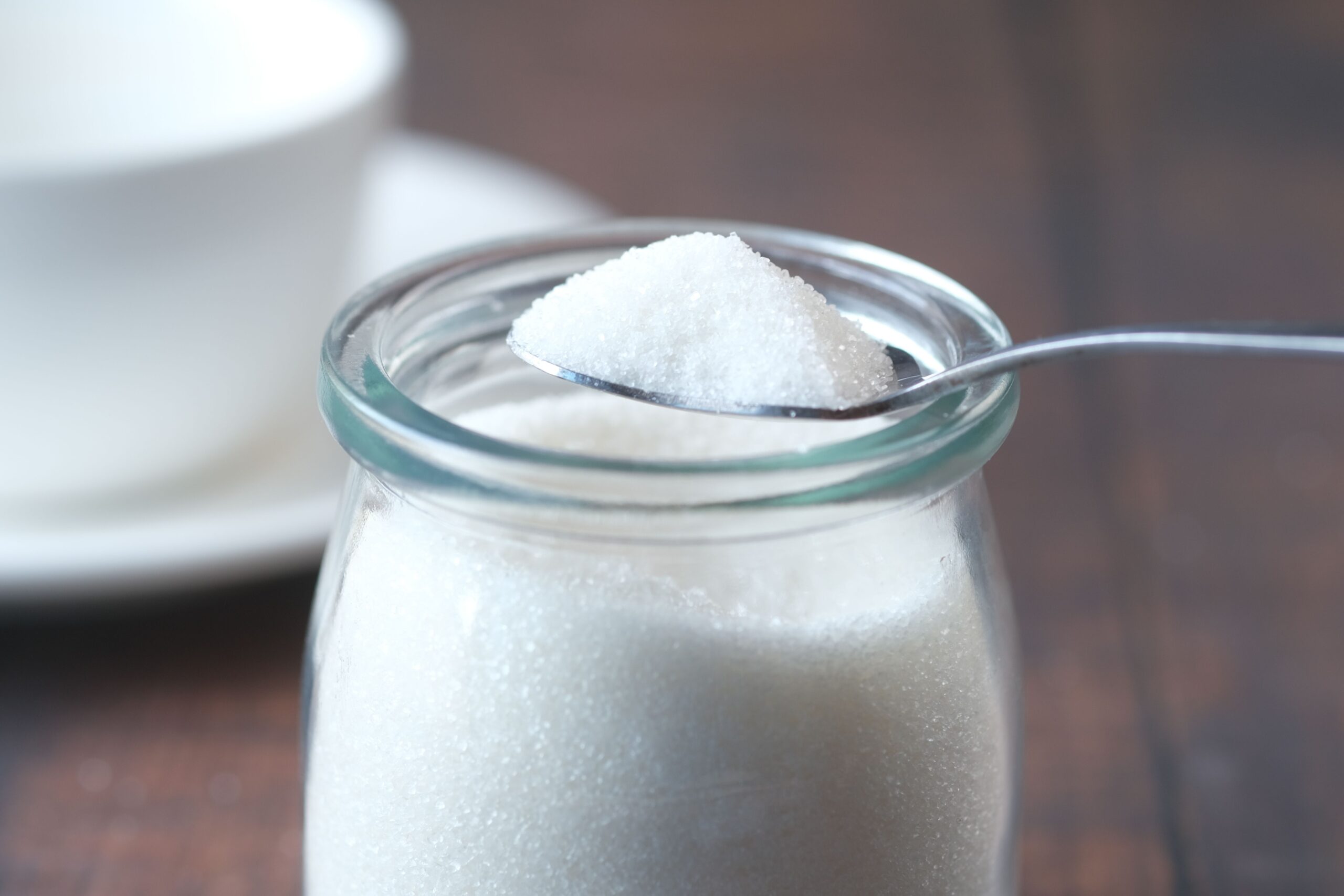
1 cup of granulated white sugar = 200 grams (7.05 oz).
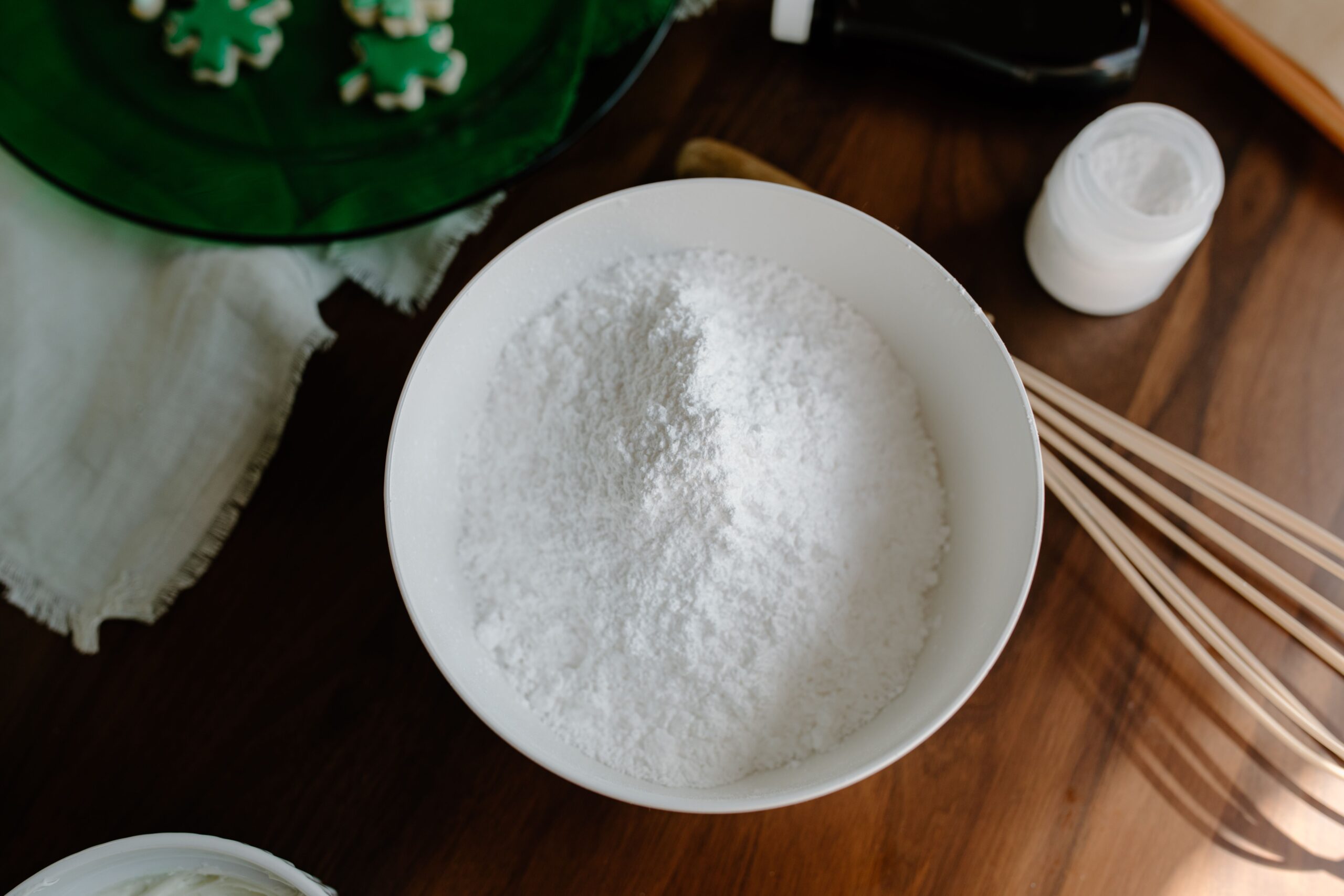
This assumes sugar is spooned into the cup and levelled off — not scooped directly from the bag, which packs in more and can push the weight to 220–230g. Brown sugar (packed) weighs 220g per cup. Powdered (icing) sugar weighs 120g per cup. Caster sugar weighs 200g. Raw/demerara sugar weighs 210g. Full table below.
Sugar is one of the most weight-variable ingredients in baking. Unlike flour — where packing is the main culprit — sugar has multiple varieties with genuinely different densities, and each one has its own gram weight per cup. Granulated and caster sugar are similar in weight because they’re both dry, free-flowing crystals. Powdered sugar is the outlier: it’s been ground to a fine powder and is much lighter per cup than any other variety, which is why swapping it into a recipe by cup measure (rather than grams) can dramatically under-sugar a baked good.
Brown sugar compounds the issue further because recipes almost always specify whether it should be packed or loosely filled — and the difference is about 40 grams per cup, which is enough to noticeably affect sweetness and moisture in the finished result. If your recipe doesn’t specify, packed is the standard assumption for brown sugar in North American baking.
200g
1 cup granulated white sugar
220g
1 cup packed brown sugar
120g
1 cup powdered / icing sugar
+20g
Extra weight from scooping vs spooning
Grams in a Cup of Sugar — All Types
All weights below are for a standard US cup (240ml), filled using the spoon-and-level method unless noted. For fractional cup amounts, multiply the 1-cup gram weight by the fraction — or use the Ingredient Converter to get any amount instantly.
| Sugar Type | 1 cup (g) | ¾ cup (g) | ½ cup (g) | ¼ cup (g) | 1 tbsp (g) |
|---|---|---|---|---|---|
| Granulated white sugar | 200g | 150g | 100g | 50g | 12.5g |
| Caster sugar (superfine) | 200g | 150g | 100g | 50g | 12.5g |
| Brown sugar (packed) | 220g | 165g | 110g | 55g | 13.75g |
| Brown sugar (loose) | 180g | 135g | 90g | 45g | 11.25g |
| Powdered / icing sugar (sifted) | 120g | 90g | 60g | 30g | 7.5g |
| Powdered / icing sugar (unsifted) | 130g | 98g | 65g | 33g | 8g |
| Raw / demerara sugar | 210g | 158g | 105g | 53g | 13g |
| Coconut sugar | 180g | 135g | 90g | 45g | 11g |
| Turbinado sugar | 200g | 150g | 100g | 50g | 12.5g |
| All weights use the spoon-and-level method in a standard US cup (240ml). Brown sugar packed: press firmly into cup until no gaps. Powdered sugar sifted: sift into cup then level. Scooping directly from the bag adds 10–15% to the weight for granulated and up to 8% for powdered sugar. | |||||
Need a different amount? The SavoryTribe Ingredient Converter converts any cup, tablespoon, or teaspoon amount of any sugar type to grams (and back) — select your sugar variety and the tool handles the weight difference automatically.
Why Measuring Method Changes the Weight
Sugar doesn’t have the same packing problem as flour, but measuring method still affects the final weight — especially for powdered sugar. Here’s what changes the number and by how much.
Granulated and Caster Sugar
Granulated sugar is relatively forgiving. Spooning it into the cup versus scooping directly adds about 10–20g per cup — a small but real difference in a recipe calling for multiple cups. For everyday baking, spooning and levelling is accurate enough. For precision baking — patisserie, macarons, caramel work — weighing in grams eliminates the variable entirely. There’s no need to sift granulated or caster sugar before measuring.
Brown Sugar — Packed vs Loose
The 40g difference between packed and loose brown sugar (220g vs 180g) is significant — it’s the equivalent of about 3 tablespoons of extra sugar, plus the additional moisture that brown sugar contributes. When a recipe says “packed”, it means press the sugar firmly into the cup with the back of a spoon until it holds its shape when turned out. If your recipe says “lightly packed”, aim for somewhere between the two. If it says nothing, default to packed.
Powdered / Icing Sugar
Powdered sugar is the most measuring-sensitive sugar. It compresses easily, lumps readily, and sifted vs unsifted can differ by 10–15g per cup. Most American baking recipes assume unsifted powdered sugar measured by spooning (about 130g). British and Australian recipes more often assume sifted (120g). If you’re converting a recipe across cuisines, confirm which method the original author intended. For buttercream and glaze recipes — where powdered sugar is used in large quantities — a 15–20g discrepancy per cup multiplies quickly and can change the texture noticeably.
Cups vs Grams: Which Should You Use?
⚠️ Less Precise
Cup measurements
Variable by method, humidity, and who’s measuring. A packed vs spooned cup of brown sugar differs by 40g. Consistent if you always use the same technique, but not transferable between cooks or recipes from different countries.
✅ Most Accurate
Gram weights
Always the same regardless of technique or conditions. A kitchen scale to the nearest gram eliminates all measurement variation. For any recipe where texture precision matters — macarons, caramel, choux — grams are the professional standard.
Don’t swap sugar types by cup measure: Replacing 1 cup of granulated sugar with 1 cup of powdered sugar gives you only 120g instead of 200g — a 40% reduction that will noticeably under-sweeten the recipe and change the texture. If you need to substitute one sugar type for another, always convert by weight (grams), not by volume (cups). The Ingredient Converter handles this automatically.
Granulated Sugar: Grams for Every Common Amount
A quick reference for granulated white sugar — the most commonly used sugar in baking recipes. All weights use the spoon-and-level method.
| Amount | Grams | Ounces |
|---|---|---|
| 2 cups | 400g | 14.1 oz |
| 1 cup | 200g | 7.05 oz |
| ¾ cup | 150g | 5.3 oz |
| ⅔ cup | 133g | 4.7 oz |
| ½ cup | 100g | 3.5 oz |
| ⅓ cup | 67g | 2.35 oz |
| ¼ cup | 50g | 1.75 oz |
| 1 tablespoon | 12.5g | 0.44 oz |
| 1 teaspoon | 4g | 0.14 oz |
| Granulated white sugar, spoon-and-level method, standard US cup (240ml). For other sugar types, refer to the full table above or use the Ingredient Converter. | ||
SavoryTribe Baking Tool
Ingredient Converter
Convert any sugar type — granulated, brown, powdered, coconut, and more — between cups, tablespoons, and grams. Select your ingredient and get the exact weight.
Key Takeaways
- 1 cup of granulated white sugar = 200g. Caster sugar is the same. Brown sugar (packed) = 220g. Powdered/icing sugar = 120g (sifted).
- Brown sugar must be packed unless the recipe says otherwise — the difference between packed and loose is 40g per cup.
- Powdered sugar is the most variable: sifted vs unsifted can differ by 10–15g per cup. Always sift if the recipe specifies it.
- Never substitute one sugar type for another by cup measure — always convert by grams to account for density differences.
- Scooping a cup directly from the sugar bag packs in more than spooning, adding up to 20g for granulated and 10g for powdered sugar.
- For any sugar conversion — including fractional cups and tablespoons — use the SavoryTribe Ingredient Converter.
Frequently Asked Questions
How many grams is 1 cup of sugar?
1 cup of granulated white sugar weighs 200 grams (7.05 oz). Caster (superfine) sugar is also 200g per cup. Brown sugar packed = 220g. Brown sugar loose = 180g. Powdered/icing sugar (sifted) = 120g. Powdered sugar (unsifted) = 130g. Raw/demerara sugar = 210g. Coconut sugar = 180g. All figures use a standard US cup (240ml) and the spoon-and-level filling method.
How many grams is ¾ cup of sugar?
¾ cup of granulated white sugar = 150 grams. ¾ cup of packed brown sugar = 165 grams. ¾ cup of powdered (icing) sugar = 90 grams (sifted). For other sugar types, multiply the 1-cup gram weight by 0.75 — or use the Ingredient Converter to get the exact figure for any variety and any fraction.
How many grams is ½ cup of sugar?
½ cup of granulated white sugar = 100 grams. ½ cup of packed brown sugar = 110 grams. ½ cup of powdered (icing) sugar = 60 grams (sifted). These are the most frequently needed sub-cup amounts in baking recipes — the full fractional table for granulated sugar is in the section above.
Is a cup of brown sugar the same weight as a cup of white sugar?
No. Packed brown sugar weighs 220g per cup — 20g more than granulated white (200g). This is because packing removes air gaps between the moister, clumpier brown sugar crystals. Loose brown sugar weighs 180g per cup — 20g less than white. The moisture content of brown sugar (from the molasses) also means it contributes slightly more liquid to a recipe than the same weight of white sugar, which affects texture in some bakes.
How do I measure powdered sugar correctly?
If the recipe says sifted, sift the powdered sugar into the measuring cup, then level off the top — this gives about 120g per cup. If it says unsifted, spoon it into the cup (don’t scoop) and level off — about 130g. Never scoop the cup directly into the powdered sugar bag: it compresses badly and can over-measure by 20–30g per cup. Powdered sugar also lumps readily; if it’s been sitting in the pantry for a while, sift it regardless of what the recipe says to break up any clumps before measuring.
How many grams of sugar is in a tablespoon?
1 tablespoon of granulated white sugar = 12.5 grams. 1 tablespoon of brown sugar (packed) = approximately 13.75 grams. 1 tablespoon of powdered/icing sugar = approximately 7.5 grams. 1 teaspoon of granulated sugar = 4 grams. These small-unit weights are useful for recipes where you’re adding sugar by the tablespoon — coffee, oatmeal, sauces — and want to track the sugar amount precisely.
Can I substitute coconut sugar for white sugar in equal amounts?
By weight, yes — coconut sugar can substitute for white granulated sugar in a 1:1 ratio by grams in most baking recipes. By cup measure, be careful: coconut sugar weighs 180g per cup vs 200g for white, so a 1:1 cup substitution slightly under-sugars the recipe. To substitute accurately, use the gram weight of the white sugar called for and measure that amount of coconut sugar instead. Coconut sugar also has a lower glycaemic index and a mild caramel flavour that subtly changes the taste of the finished bake.
SavoryTribe Baking Tool
Ingredient Converter
Select any sugar type, enter any amount in cups, tablespoons, or grams — and get the exact converted weight instantly.