The Best Fluffy Pancakes recipe you will fall in love with. Full of tips and tricks to help you make the best pancakes.

Cooking Guide
Rice to Water Ratio — The Complete Guide
The standard rice to water ratio is 1:2 — one cup of rice to two cups of water — but this only applies to long-grain white rice on the stovetop. Brown rice, basmati, jasmine, sushi rice, and rice cooker methods all use different ratios. This guide covers every type.
⚡ Quick answer
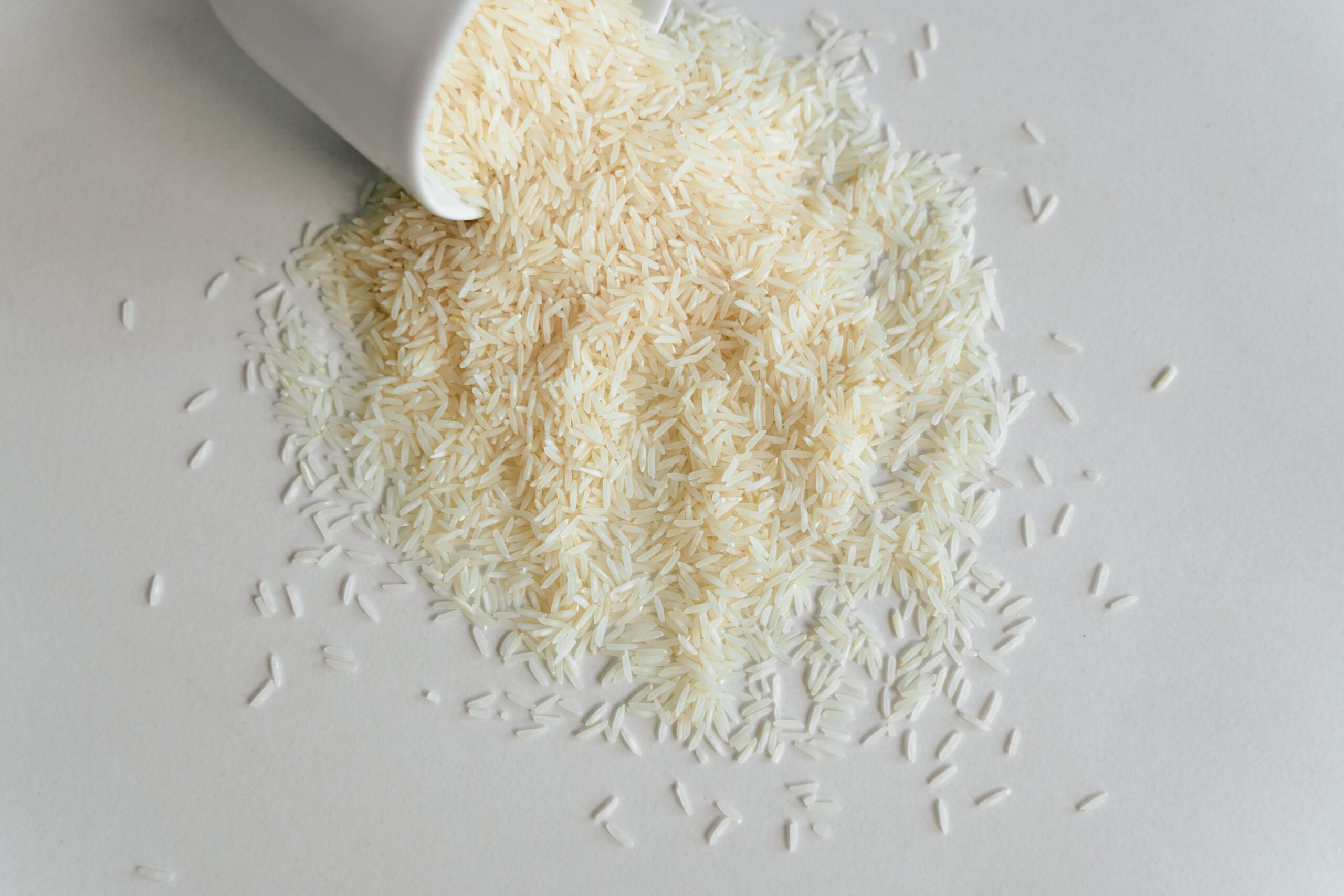
The standard stovetop rice to water ratio is 1 cup rice to 2 cups water for long-grain white rice — but most other varieties use a different ratio.
Basmati and jasmine use 1:1.5. Brown rice uses 1:2.25. Sushi rice uses 1:1.2. Rice cookers typically use 10–20% less water than stovetop methods for the same variety. The full table below covers 10 rice types across both stovetop and rice cooker methods.
The 1:2 ratio has been printed on the back of every rice bag for decades — and while it works for standard long-grain white rice, it produces soggy or undercooked results for almost every other variety. The reason is simple: different rice types have different starch compositions and different amounts of residual moisture after milling. Short-grain rice absorbs water more readily than long-grain. Whole-grain brown rice has an intact bran layer that slows absorption and requires more water and time. Parboiled rice has already partially cooked, so it needs less.
Cooking method adds another layer of variation. A rice cooker maintains a more consistent sealed environment than an open pot, which means less water evaporates — so rice cooker ratios run roughly 10–20% lower than stovetop for the same variety. The Instant Pot traps even more steam, pulling ratios down further still. Use the table and instructions below for your specific rice type and cooking method.
1:2
Standard long-grain white rice (stovetop)
1:1.5
Basmati and jasmine rice (stovetop)
1:2.25
Brown rice (stovetop)
−15%
Less water needed in a rice cooker vs stovetop
Rice to Water Ratio Chart — All Varieties
All ratios below are per 1 cup (185–200g) of uncooked, unrinsed rice. If you rinse your rice before cooking — which is recommended for most white varieties to remove excess starch — reduce the water by 2 tablespoons per cup, since rinsed rice absorbs slightly less. Use the Rice Water Ratio Calculator to get exact amounts for any cup quantity instantly.
| Rice Type | Stovetop Ratio | Water (per 1 cup rice) | Rice Cooker Ratio | Cook Time (stovetop) |
|---|---|---|---|---|
| Long-grain white | 1 : 2 | 2 cups | 1 : 1.75 | 18 min |
| Basmati (white) | 1 : 1.5 | 1½ cups | 1 : 1.25 | 15 min |
| Jasmine | 1 : 1.5 | 1½ cups | 1 : 1.25 | 15–18 min |
| Short-grain white | 1 : 1.25 | 1¼ cups | 1 : 1 | 15 min |
| Sushi rice | 1 : 1.2 | 1¼ cups | 1 : 1 | 15 min |
| Medium-grain white | 1 : 1.75 | 1¾ cups | 1 : 1.5 | 18 min |
| Brown rice (long-grain) | 1 : 2.25 | 2¼ cups | 1 : 2 | 45–50 min |
| Brown rice (short-grain) | 1 : 2 | 2 cups | 1 : 1.75 | 45 min |
| Wild rice | 1 : 3 | 3 cups | 1 : 2.5 | 45–55 min |
| Arborio (risotto) | 1 : 3 (added gradually) | 3 cups total | Not recommended | 20–25 min |
| Ratios are per 1 unrinsed cup of dry rice. Rinsed rice: reduce water by 2 tbsp per cup. Instant Pot: reduce water by a further 10–15% vs rice cooker ratios. Wild rice is a grass, not true rice — it requires more water and longer cooking. Arborio is stirred continuously with stock added in stages; the ratio above is the total liquid used, not added at once. | ||||
Cooking multiple cups? The ratio stays the same but the exact amounts can get awkward fast. Use the Rice Water Ratio Calculator — enter your rice type, cup amount, and cooking method to get precise water quantities every time.
SavoryTribe Cooking Tool
Rice Water Ratio Calculator
Select your rice type, enter how many cups you’re cooking, and choose your method — stovetop, rice cooker, or Instant Pot. Get exact water amounts instantly.
How to Cook Perfect Stovetop Rice: Step by Step
The ratio is only one part of the equation. The technique — how you handle the heat, the lid, and the resting period — matters just as much. These steps apply to all white rice varieties on the stovetop.
1
Rinse the rice (recommended)
Place the rice in a fine-mesh sieve and rinse under cold water until the water runs mostly clear — usually 30–60 seconds. Rinsing removes surface starch, which is the primary cause of gummy, sticky white rice. If you want sticky rice (for sushi or dumplings), skip rinsing. Remember to reduce water by 2 tablespoons per cup when cooking rinsed rice.
2
Combine rice, water, and salt — then bring to a boil
Add the rice, measured water, and a pinch of salt (about ¼ tsp per cup of dry rice) to a heavy-bottomed saucepan. Bring to a full rolling boil over medium-high heat, uncovered. Don’t add oil to the water — it coats the grains and prevents even water absorption. A pat of butter added after cooking is fine.
3
Reduce heat, cover, and simmer — do not lift the lid
The moment the water boils, reduce heat to the lowest setting, place the lid on firmly, and set a timer. White rice: 18 minutes. Basmati or jasmine: 15 minutes. Brown rice: 45–50 minutes. Lifting the lid releases steam that the rice needs to finish cooking — a single premature peek can result in undercooked rice. If the lid isn’t tight-fitting, place a folded kitchen towel under it to seal.
4
Remove from heat and rest for 10 minutes
When the timer goes, turn off the heat but leave the lid on for a full 10 minutes. This rest period allows residual steam to finish cooking the top layer of rice and redistributes moisture evenly throughout the pot. Skipping the rest produces rice that is perfectly cooked at the bottom and slightly underdone or unevenly textured at the top.
5
Fluff with a fork, not a spoon
After resting, remove the lid and use a fork to gently separate the grains with lifting strokes. A spoon compresses and smashes the grains together — a fork aerates them. Work from the edges of the pot inward. Serve immediately or leave uncovered for a minute to allow excess surface moisture to evaporate before plating.
Rice Type Notes — What’s Different and Why
Basmati and Jasmine
Both are aromatic long-grain varieties with lower starch content than standard long-grain white rice — which is why they use a lower ratio (1:1.5 vs 1:2). Basmati is traditionally soaked for 20–30 minutes before cooking, then drained; this pre-soaking counts as extra water absorption, so soaked basmati only needs 1:1.25 at the stovetop. Jasmine rice doesn’t benefit from soaking in the same way. Both varieties produce fluffy, distinct grains when the lower ratio is respected — use the standard 1:2 and you’ll get mush.
Brown Rice
Brown rice retains its bran and germ layers, which act as a moisture barrier. It needs more water and significantly more time than white rice — 45–50 minutes on the stovetop vs 18. The most common brown rice mistake is using a white rice ratio and timing, resulting in crunchy, undercooked grains. Brown rice can also benefit from soaking for 30–60 minutes before cooking, which softens the bran and can reduce cook time by about 10 minutes.
Sushi Rice
Sushi rice (short-grain Japanese rice) is intentionally stickier than other varieties — it needs surface starch to bind. Do not rinse sushi rice before cooking. Use a 1:1.2 ratio on the stovetop. After cooking and resting, it’s seasoned with a mixture of rice vinegar, sugar, and salt while still warm, then fanned as it cools to achieve the characteristic texture. The water ratio is just the starting point — the vinegar seasoning adds additional moisture at the end.
The Most Common Rice-Cooking Mistakes
❌ Result: Mushy rice
Too much water or wrong variety ratio
Using 1:2 for basmati or jasmine, or not reducing water after rinsing. Excess water makes grains absorb more than they should, breaking down the starch structure and producing a soft, porridge-like texture.
❌ Result: Crunchy rice
Too little water or lifting the lid
Using a white rice ratio for brown rice, or lifting the lid mid-cook. Steam escapes and the rice runs out of water before the grains are fully cooked through — especially in the centre and top layer.
High altitude adjustment: Water boils at a lower temperature above 3,000 feet (900m), which means rice cooks more slowly and evaporates water faster. If you’re cooking at altitude, increase water by 2–4 tablespoons per cup and add 5 minutes to the cook time. The rice cooker is less affected by altitude than the stovetop method.
Key Takeaways
- The standard 1:2 ratio (1 cup rice : 2 cups water) only applies to long-grain white rice on the stovetop — every other variety uses a different ratio.
- Basmati and jasmine use 1:1.5 stovetop. Brown rice uses 1:2.25. Sushi rice uses 1:1.2. Wild rice uses 1:3.
- Rice cookers need 10–20% less water than stovetop methods — use the rice cooker column in the table, not the stovetop ratio.
- Rinsing white rice removes surface starch and prevents gumminess — reduce water by 2 tbsp per cup when cooking rinsed rice.
- Never lift the lid during cooking — steam loss causes uneven or undercooked rice. Rest the covered pot for 10 minutes after the heat is off.
- Fluff with a fork, not a spoon. Fluff by lifting, not stirring.
- Use the Rice Water Ratio Calculator for exact water amounts for any rice type, quantity, and cooking method.
Frequently Asked Questions
What is the correct rice to water ratio?
It depends on the rice type and cooking method. Long-grain white rice on the stovetop uses 1:2 (1 cup rice to 2 cups water). Basmati and jasmine use 1:1.5. Brown rice uses 1:2.25. Sushi rice uses 1:1.2. Wild rice uses 1:3. In a rice cooker, all ratios decrease by roughly 10–20% because less water evaporates in the sealed environment. Use the ratio table above for your specific variety, or the Rice Water Ratio Calculator for exact amounts by cup count.
How much water do I use for 2 cups of rice?
For 2 cups of long-grain white rice on the stovetop: 4 cups of water. For 2 cups of basmati or jasmine: 3 cups of water. For 2 cups of brown rice: 4½ cups of water. For 2 cups of sushi rice: 2½ cups. For all other varieties, multiply the per-cup water amount from the table above by 2. If you’ve rinsed the rice first, subtract 4 tablespoons (¼ cup) from the total water for white rice varieties.
Should I rinse rice before cooking?
Yes, for most white rice varieties — rinsing removes surface starch that causes grains to clump and produces a gummy texture. Rinse under cold water until the water runs mostly clear, about 30–60 seconds. Reduce your water by 2 tablespoons per cup after rinsing, as wet rice absorbs slightly less. The exceptions: do not rinse sushi rice (surface starch is what makes it bind) and there’s no benefit to rinsing parboiled (converted) rice. Brown rice can optionally be rinsed but benefits less than white rice.
Why is my rice always mushy?
The most common causes are: too much water (especially using the 1:2 long-grain ratio for basmati or jasmine, which only need 1:1.5); not rinsing the rice before cooking (surface starch over-hydrates the grains); or cooking at too high a temperature, which causes the bottom to cook while excess water saturates the top. Fix: use the correct ratio for your rice variety, rinse white rice before cooking, and ensure you’re cooking on the lowest heat setting once the water boils.
Does the rice to water ratio change in a rice cooker?
Yes — rice cookers use 10–20% less water than stovetop methods because the sealed lid traps steam that would otherwise evaporate. Long-grain white rice drops from 1:2 to 1:1.75. Basmati and jasmine drop from 1:1.5 to 1:1.25. Brown rice drops from 1:2.25 to 1:2. Most rice cookers also come with a measuring cup that is slightly smaller than a standard US cup (about 180ml vs 240ml) — if using the cup that came with the cooker, use the water lines marked inside the cooker bowl, not external measuring cups.
How much water do I need for basmati rice?
Unsoaked basmati: 1 cup rice to 1½ cups water on the stovetop, 1 cup rice to 1¼ cups water in a rice cooker. Pre-soaked basmati (soaked 20–30 minutes and drained): 1 cup rice to 1¼ cups water on the stovetop — the soaking step pre-hydrates the grains. Rinsed-only basmati: 1 cup rice to 1⅓ cups water. Basmati is the variety most sensitive to excess water — even a few tablespoons too much produces noticeably softer, stickier grains.
Can I cook rice without measuring the water?
Yes — the knuckle method works reliably for long-grain white rice: place the rice flat in a saucepan, then add cold water until it reaches the first knuckle of your index finger above the rice surface (roughly 2.5cm / 1 inch). This approximates the 1:2 ratio regardless of the pan size. It doesn’t translate to other rice varieties or to rice cookers. For basmati, jasmine, or brown rice, measuring is more reliable — these varieties are sensitive enough that the knuckle method produces inconsistent results.
SavoryTribe Cooking Tool
Rice Water Ratio Calculator
Choose your rice type, how many cups you’re cooking, and your method — stovetop, rice cooker, or Instant Pot. Get the exact water amount in seconds.