The Best Fluffy Pancakes recipe you will fall in love with. Full of tips and tricks to help you make the best pancakes.

Cooking Guide
How Much Coffee Per Cup — Every Brew Method
The standard ratio is 1 to 2 tablespoons of ground coffee per 6 oz (180ml) of water for drip and filter brewing. But every brew method has its own ideal ratio — espresso, French press, pour over, and cold brew all follow different rules. Every ratio is in the chart below.
⚡ Quick answer
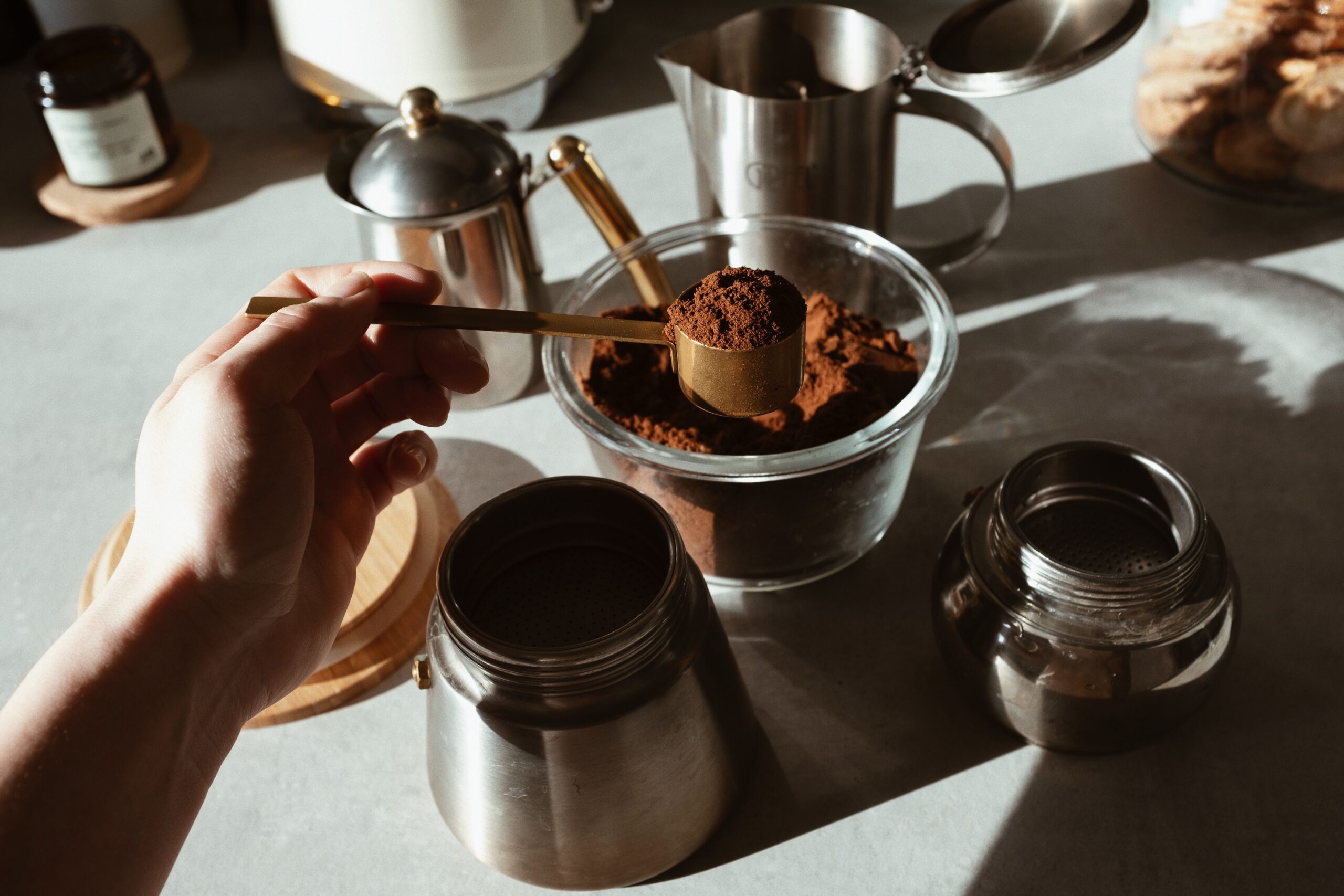
Use 1 to 2 tablespoons (7–14g) of ground coffee per 6 oz (180ml) of water for standard drip coffee — or a 1:15 to 1:17 coffee-to-water ratio by weight.
The Specialty Coffee Association (SCA) recommends 10g of coffee per 180ml of water (a 1:18 ratio) as the golden standard for filter coffee. For a stronger cup, use 1:15. For espresso, the ratio is much tighter: 1:2 (18–20g coffee → 36–40ml espresso). French press, cold brew, and AeroPress all use different ratios — covered in detail below.
Coffee ratio confusion is almost entirely caused by the way instructions are written. Drip machine manuals say “1 scoop per cup” — but a standard coffee scoop holds 10g and a “cup” on a coffee maker is 6 oz, not 8 oz. Recipe cards say “2 tablespoons per cup” without specifying whether they mean a 6 oz cup or an 8 oz mug. The result is that most home brewers are making their coffee at whatever ratio they stumbled into years ago, not the one that actually suits their taste.
The coffee-to-water ratio is the foundational variable in brewing. Every other factor — grind size, water temperature, bloom time, steep duration — builds on top of it. Get the ratio wrong and you can’t fix it with better technique. Too little coffee produces a weak, sour, flat cup (under-extracted). Too much produces a bitter, harsh, astringent cup (over-extracted). The right ratio for your preference is somewhere in a relatively narrow window, and this guide gives you the exact numbers for every brew method.
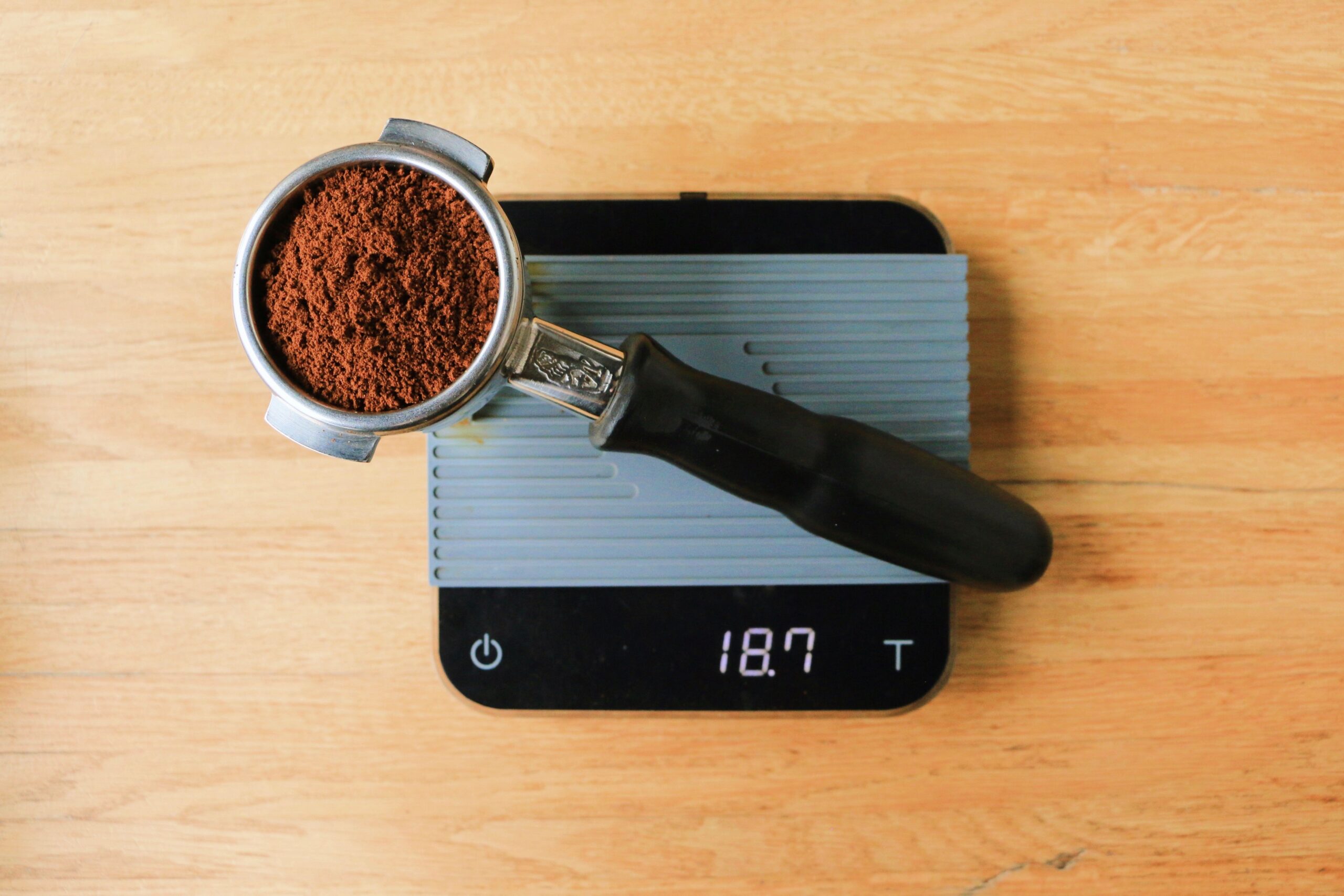
Professional baristas always work by weight — grams of coffee to grams (or millilitres) of water — because volume measurements like tablespoons and scoops are unreliable. A tablespoon of finely ground coffee weighs significantly more than a tablespoon of coarsely ground coffee. Weight is the only consistent measure. The charts below give you both volume and weight ratios so you can work with whatever you have — a scale or a tablespoon.
1:15
Strong filter coffee ratio
1:17
Standard filter coffee ratio
1:2
Espresso ratio (double shot)
1:8
Cold brew concentrate ratio
Coffee-to-Water Ratios — Every Brew Method
The table below covers every major home brew method with the standard ratio, the amount of coffee needed per cup, the equivalent in tablespoons, and the optimal grind size. All weight-based ratios are expressed as coffee:water (e.g. 1:15 means 1g coffee per 15g water).
| Brew Method | Ratio (Coffee:Water) | Per 8oz Mug (240ml) | In Tablespoons | Grind Size | Brew Time |
|---|---|---|---|---|---|
| Drip / filter machine | 1:15 – 1:17 | 14–16g | 2–2½ tbsp | Medium | 5–8 min |
| French press | 1:12 – 1:15 | 16–20g | 2½–3 tbsp | Coarse | 4 min steep |
| Pour over (V60, Chemex) | 1:15 – 1:17 | 14–16g | 2–2½ tbsp | Medium-fine | 3–4 min |
| AeroPress (standard) | 1:10 – 1:16 | 15–24g | 2½–3½ tbsp | Medium-fine | 1–2 min |
| Moka pot (stovetop espresso) | 1:7 – 1:10 | 24–34g (per fill) | Fill basket level | Fine-medium | 5–8 min |
| Espresso (double shot) | 1:2 | 18–20g → 36–40ml out | ~3 tbsp (by weight only) | Fine | 25–30 sec |
| Cold brew (concentrate) | 1:4 – 1:8 | Per 1L: 125–250g | Per 1L: 14–28 tbsp | Extra coarse | 12–24 hrs |
| Cold brew (ready to drink) | 1:8 – 1:12 | Per 1L: 83–125g | Per 1L: 9–14 tbsp | Extra coarse | 12–24 hrs |
| Percolator | 1:15 – 1:20 | 12–16g | 1½–2 tbsp | Coarse | 5–10 min |
| Turkish coffee (ibrik) | 1:10 – 1:12 | 20–24g per small cup | 1 heaped tsp per small cup | Powdery fine | 3–5 min |
| Ratios are coffee:water by weight. 1 tablespoon of ground coffee ≈ 7g (finely ground) to 10g (medium ground). For precision, always weigh. Moka pot coffee fills the basket level — don’t tamp or overfill. | |||||
Drip: 2 tbsp per 8oz
French press: 3 tbsp per 8oz
Pour over: 2 tbsp per 8oz
Espresso: 18–20g per double
Cold brew: 125–250g per litre
SavoryTribe Kitchen Tool
Coffee Ratio Calculator
Enter your brew method, number of cups, and preferred strength — get the exact grams and tablespoons of coffee you need. Every method covered, instantly.
Brew Method Ratios in Detail
☕
Drip Coffee Machine
1:15–17
Ratio by weight
10–12g
Per 6oz machine cup
2 tbsp
Per 6oz (approx)
Drip machines are the source of the most ratio confusion because the “cup” markers on the carafe use 6 oz, not 8 oz — so a 12-cup carafe holds 72 oz (about 2.1 litres), not 96 oz. If you’re filling the machine to the 12-cup line and measuring coffee for 12 “cups,” you actually need enough coffee for 72 oz of water. At the 1:17 standard ratio, that’s approximately 128g of coffee, or about 18 tablespoons. Most drip machine scoops are 10g, so use roughly one scoop per marked cup on the carafe. For a stronger result, increase to 12g per 6oz cup.
🫖
French Press
1:12–15
Ratio by weight
16–20g
Per 8oz mug
2½–3 tbsp
Per 8oz mug
French press uses immersion brewing — the coffee sits in the water for the full 4-minute steep rather than water passing through grounds once. This extended contact time extracts more from the coffee, which is why the ratio is slightly higher than drip (more coffee per unit of water). The coarse grind is non-negotiable: fine or medium grinds in a French press produce over-extracted, muddy, bitter coffee and clog the mesh filter. The standard approach: add coffee, pour water just off the boil (93–96°C / 200–205°F), stir once, place the lid on (plunger up), steep 4 minutes exactly, press slowly and pour immediately. Don’t leave it sitting after pressing — the grounds continue extracting and turn the coffee bitter.
🫗
Pour Over (V60, Chemex, Kalita)
1:15–17
Ratio by weight
14–16g
Per 8oz cup
2–2½ tbsp
Per 8oz cup
Pour over coffee uses the same ratio range as drip machines but the manual pouring process gives you control over flow rate and extraction evenness that machines can’t match. The most important step is the bloom: pour approximately twice the weight of the coffee in hot water (e.g. 30g water for 15g coffee) over the grounds, wait 30–45 seconds, then continue pouring in slow spirals. The bloom allows CO₂ to off-gas from fresh coffee — skipping it produces uneven extraction and a weaker, slightly sour flavour. Total brew time of 3–4 minutes indicates correct grind size; shorter means too coarse, longer means too fine.
⚡
Espresso
1:2
Standard ratio
18–20g
Coffee in (double)
36–40ml
Espresso out
Espresso is the one brew method where tablespoon measurements are genuinely unreliable — espresso is always dialled in by weight. A standard double shot uses 18–20g of finely ground coffee and produces 36–40ml of espresso in 25–30 seconds at 9 bars of pressure. The 1:2 ratio (dose in : liquid out) is the starting point — specialty shops sometimes pull ristretto (1:1.5, shorter and more concentrated) or lungo (1:3, longer and more dilute). Home espresso machines vary significantly in pressure and temperature, so the 18g/36ml starting point is a benchmark, not a guarantee — you’ll adjust based on taste and extraction time.
🧊
Cold Brew
1:4–8
Concentrate ratio
125–250g
Per 1 litre (concentrate)
12–24 hrs
Cold water steep
Cold brew is brewed as a concentrate and diluted before drinking — typically 1 part concentrate to 1–2 parts water or milk. For concentrate, use 1:4 to 1:6 (100g coffee to 400–600ml cold water). For ready-to-drink (no dilution needed), use 1:8 to 1:12. Always use an extra-coarse grind — the long steep time with fine grounds produces very bitter, over-extracted cold brew. Steep in the fridge for 12–24 hours, then strain through a fine-mesh sieve lined with a coffee filter or cheesecloth. Cold brew concentrate keeps in the fridge for up to 2 weeks; ready-to-drink keeps for about 1 week.
How to Adjust Ratio for Strength and Taste
The ratios in this guide are starting points, not fixed rules. Personal preference, roast level, and coffee freshness all affect the ideal ratio. Learning to adjust systematically — rather than randomly — is what separates consistently good coffee from inconsistent results.
1
Start at the standard ratio and assess the result
Brew your first cup at the midpoint of the recommended range — for drip, that’s 1:16, or about 15g per 240ml mug. Taste it and identify whether it’s too weak (watery, lacks body, sour finish), too strong (bitter, harsh, astringent), or about right. Make one note before changing anything.
2
Adjust coffee amount — never water amount
To make a stronger cup, add 1–2g more coffee while keeping the water the same. To make a weaker cup, reduce by 1–2g. Never change the water amount — you’re brewing for a specific serving size and changing the water alters that. The correct adjustment is always to the coffee dose, not the water volume.
3
Identify bitterness vs sourness — they need different fixes
A sour, thin cup is under-extracted — the water hasn’t pulled enough from the coffee. Fix: use more coffee, grind finer, or slow the brew (pour more slowly). A bitter, harsh cup is over-extracted — too much has been pulled from the grounds. Fix: use less coffee, grind coarser, or speed up the brew. Adjusting ratio and grind size are both tools; bitterness is usually a grind problem, sourness is usually a ratio or temperature problem.
4
Account for dark vs light roast
Dark roasts are denser with more soluble compounds — they extract more easily and can be brewed at the lower end of the ratio range (1:16 to 1:18). Light roasts are denser and require more effort to extract — use the upper end of the ratio (1:14 to 1:16) and slightly hotter water (96°C vs 93°C). A light roast brewed at a dark-roast ratio will taste weak and sour.
A kitchen scale changes everything: The difference between 12g and 17g of coffee per cup is invisible to the eye but very obvious in the cup. Tablespoons hold different weights depending on grind size — a tablespoon of espresso-fine coffee weighs 7g; a tablespoon of coarse French press grind weighs about 5g. A digital kitchen scale costing £10–15 is the single most impactful coffee equipment upgrade after a decent grinder. Use SavoryTribe’s Coffee Ratio Calculator to get exact gram targets for any cup size and brew method.
How Much Coffee for Multiple Cups — Drip & Filter
The table below scales the standard 1:16 drip ratio from 1 to 12 cups, using both 6 oz machine cups and 8 oz standard mugs. Use it when filling a carafe or brewing for multiple people.
| Cups | Water (6oz cups) | Coffee (grams) | Coffee (tablespoons) | Water (8oz mugs) | Coffee for 8oz (grams) |
|---|---|---|---|---|---|
| 1 cup | 180ml (6oz) | 11g | 1½ tbsp | 240ml (8oz) | 15g |
| 2 cups | 360ml | 23g | 3 tbsp | 480ml | 30g |
| 4 cups | 720ml | 45g | 6 tbsp | 960ml | 60g |
| 6 cups | 1,080ml | 68g | 9–10 tbsp | 1,440ml | 90g |
| 8 cups | 1,440ml | 90g | 12–13 tbsp | 1,920ml | 120g |
| 10 cups | 1,800ml | 113g | 15–16 tbsp | 2,400ml | 150g |
| 12 cups | 2,160ml | 135g | 18–19 tbsp | 2,880ml | 180g |
| Based on 1:16 ratio (standard strength). For stronger coffee use 1:14 — multiply cup count by 17g (6oz) or 21g (8oz). Tablespoon values assume medium ground coffee at ~7–8g per level tablespoon. | |||||
Key Takeaways
- The standard drip coffee ratio is 1:15 to 1:17 — approximately 2 tablespoons (10–12g) per 6 oz machine cup or 2½ tablespoons (15g) per 8 oz mug.
- French press uses more coffee per water: 1:12 to 1:15 due to the immersion brewing method. Always use coarse grind.
- Espresso ratio is 1:2 — 18–20g of coffee produces 36–40ml of espresso in 25–30 seconds.
- Cold brew concentrate uses a very tight ratio: 1:4 to 1:6, steeped 12–24 hours and diluted 1:1 with water or milk before drinking.
- Always use weight (grams), not volume (tablespoons) for the most consistent results — grind size changes how much fits in a tablespoon.
- A sour, thin cup = under-extracted (use more coffee or grind finer). A bitter, harsh cup = over-extracted (use less coffee or grind coarser).
- Light roasts need a slightly higher dose and hotter water than dark roasts to achieve the same extraction level.
- Use SavoryTribe’s Coffee Ratio Calculator for exact gram and tablespoon targets for any cup count and brew method.
Frequently Asked Questions
How many tablespoons of coffee per cup?
For a standard drip coffee machine, use 1½ to 2 tablespoons per 6 oz machine cup, or 2 to 2½ tablespoons per 8 oz mug. The exact amount depends on your strength preference — 1½ tablespoons per 6 oz is lighter, 2 tablespoons is standard, and 2½ tablespoons is strong. Note that a “cup” on a coffee machine carafe is 6 oz, not 8 oz — the confusion between these two sizes is the most common reason home brewers end up with weak coffee (they use 8 oz worth of water but only enough coffee for 6 oz).
What is the golden ratio for coffee?
The Specialty Coffee Association (SCA) defines the golden ratio as 55g of coffee per litre of water, which equals approximately 1:18 by weight. In practical terms for home brewing, this translates to about 10g of coffee per 180ml (6 oz) of water. Many home brewers find this slightly weak and prefer a 1:15 to 1:16 ratio — 62–67g per litre. The “golden ratio” is a useful starting point, not an absolute rule. Brew to your taste within the 1:14 to 1:18 range and you’re in calibrated territory.
How much coffee do I use for a 12-cup coffee maker?
A 12-cup coffee maker holds 72 oz (approximately 2.1 litres) of water — 12 cups at 6 oz each. At the standard 1:16 ratio, you need approximately 130–135g of ground coffee, which is roughly 18–19 level tablespoons. The commonly repeated “1 tablespoon per cup” instruction only holds if you define a cup as 6 oz and use a 7–8g tablespoon (medium grind). A heaped tablespoon, a fine grind, or using “cup” to mean 8 oz will all give you a different result. Weighing is the only reliable method.
How much ground coffee per cup for French press?
Use 16–20g of coarsely ground coffee per 8 oz (240ml) of water — approximately 2½ to 3 level tablespoons. French press uses a richer ratio than drip coffee because the immersion brewing method can tolerate more coffee before becoming bitter. Most French press vessels are 350ml (2 cups), 600ml (3–4 cups), or 1 litre (5–6 cups). For a standard 600ml French press: 40–50g of coffee (about 6 tablespoons). Steep for exactly 4 minutes, then press and pour immediately — don’t leave it sitting, the coffee continues extracting through the mesh.
Why does my coffee taste bitter even with the right ratio?
Bitterness despite a correct ratio is almost always a grind size problem — the grind is too fine, causing the water to extract too slowly and pull bitter compounds from the coffee. Coarsen your grind by one or two settings. Other causes: water that’s too hot (above 96°C / 205°F scorches the coffee), brew time that’s too long for the method, or stale coffee — old, oxidised beans taste flat and bitter regardless of ratio. For drip coffee, also check that your machine’s brew temperature is above 90°C (194°F) — machines that brew too cool produce sour, weak coffee, not bitter coffee.
How much coffee per cup for cold brew?
For cold brew concentrate: use 125–200g of coarsely ground coffee per 1 litre of cold water (1:5 to 1:8 ratio). Steep in the fridge for 12–24 hours, then strain. Dilute the concentrate 1:1 with water or milk before drinking. For ready-to-drink cold brew (no dilution): use 83–120g per litre (1:8 to 1:12 ratio) and steep for 12–18 hours. Always use extra-coarse grind — the size of rough sea salt. Fine grinds produce very bitter cold brew because of the long contact time. Cold brew concentrate keeps refrigerated for up to 2 weeks.
How much coffee for a single espresso vs double espresso?
A single espresso (single shot) uses 7–9g of finely ground coffee and produces approximately 25–30ml of espresso. A double espresso (double shot) uses 18–20g and produces 36–40ml. Most specialty coffee shops and home espresso recipes are based on the double shot — it’s the standard unit for lattes, cappuccinos, and flat whites. Single-shot baskets in home machines often produce inconsistent results because the lower dose is harder to distribute evenly; most home espresso enthusiasts use double-shot baskets exclusively.
Does grind size affect how much coffee I should use?
Grind size affects how much fits in a tablespoon (volume measurement) but not the weight ratio. A level tablespoon of finely ground coffee weighs approximately 7g; a level tablespoon of coarsely ground coffee weighs approximately 5g. This is why professional baristas always work by weight — the gram amount is the same regardless of grind size. If you’re using tablespoons, adjust: for fine-ground coffee use slightly fewer tablespoons than the chart suggests; for coarse-ground use slightly more. The weight-based ratios in this guide are always correct regardless of grind size.
SavoryTribe Kitchen Tool
Coffee Ratio Calculator
Tell it your brew method, cup size, number of cups, and preferred strength — it calculates exact grams and tablespoons in one tap. Every method covered.